

Limestone Repair NJ
What does limestone have to do with marble? Everything!
Marble is actually formed from limestone that recrystallizes after undergoing intense heat and pressure caused by geological activity.
Limestone itself is also widely used in a variety of architectural applications. It is commonly used as a decorative veneer or trim for walls, floors, fireplaces, entryways, and other interior and exterior surfaces.
Because of its porosity and relative softness, limestone can be especially vulnerable to staining, scratching, weathering, and surface wear over time.
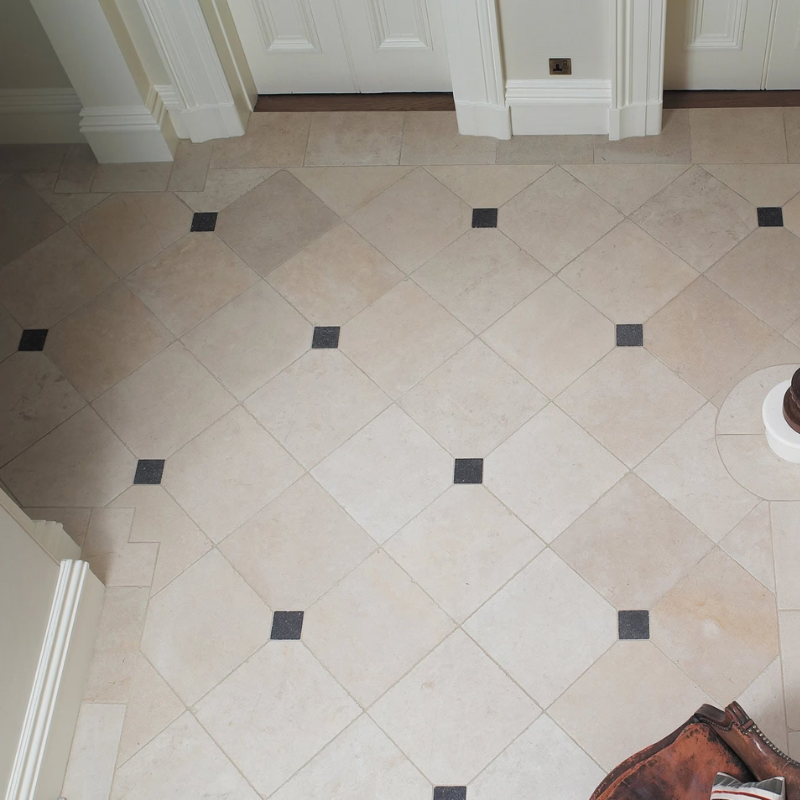
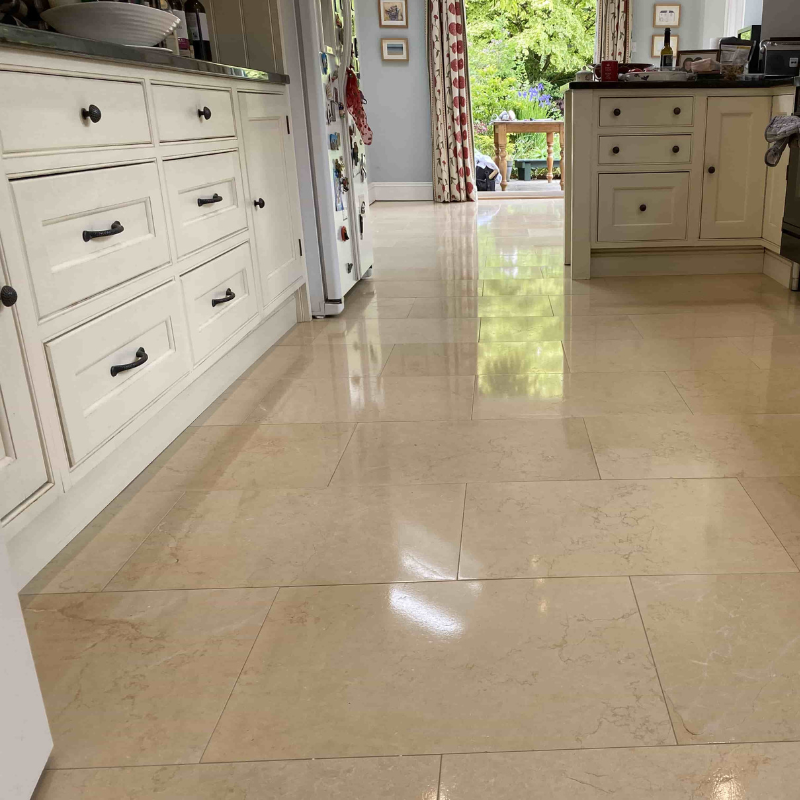
Love Marble provides professional Limestone Repair NJ services for worn, stained, damaged, or weathered limestone surfaces. We can remove stains, repair surface damage, improve worn finishes, and restore the appearance of your stone through professional limestone repair, limestone cleaning, refinishing, and restoration.
Our team works with both residential and commercial limestone surfaces throughout New Jersey and can recommend the appropriate treatment based on the condition of the stone.
Our Process
Restoring limestone, marble, granite, and other natural stone surfaces can involve a multi-step process depending on the condition of the stone and the type of damage present.

Marble Cleaning
The cleaning process entails the removal of embedded dirt, wax and other build-up.

Marble Grinding
Grinding removes a very thin layer from the stone’s surface to eliminate deep scratches, lippage and other imperfections.

Marble Honing
Honing involves the removal of more minor, superficial scratches and flaws from foot traffic.

Marble Polishing
We use state-of-the-art stone polishing equipment and techniques to achieve a satin, semi-gloss, or high gloss finish.

Marble Sealing
The stone flooring is sealed, protecting it from water and oil-based stains.

Prevention
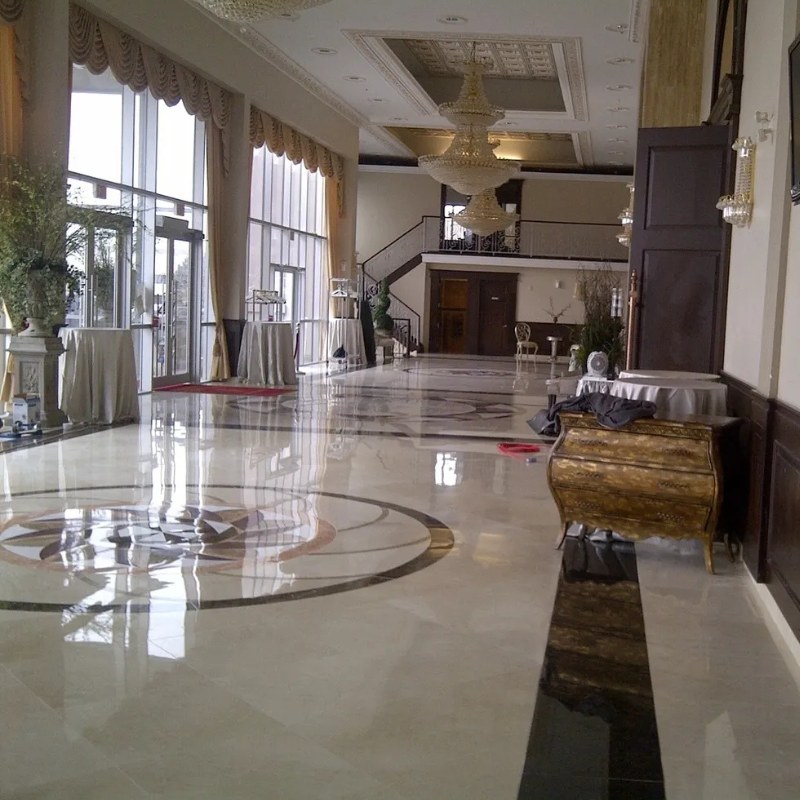
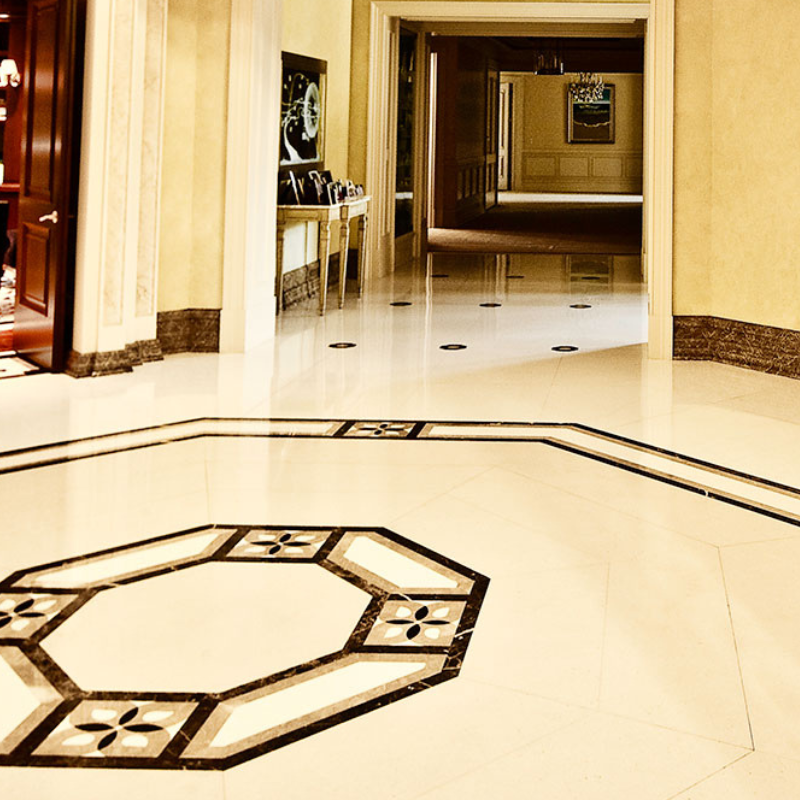
Foot traffic, along with everyday wear and tear, can result in scratches, scuffs and other flaws that dull the shine of your marble floors.
Damage Caused by the Elements
Although limestone is durable, it can gradually deteriorate over time. Weathering can affect both the appearance and condition of exterior limestone surfaces.
Rain, snow, temperature changes, atmospheric pollutants, moisture, and wind can contribute to deterioration of limestone veneers, walls, trim, and other outdoor surfaces.
Because limestone is porous, it can absorb water. It is also a carbonate-based stone and may react when exposed to acidic substances, including mildly acidic rain. Over time, this type of exposure can cause erosion, discoloration, roughness, and loss of surface detail.
Professional limestone restoration in NJ can help improve the appearance of weathered stone and address areas that have become worn or damaged.
For properties with multiple types of natural stone, Love Marble also provides professional Marble Restoration in New Jersey for scratched, stained, dull, or damaged marble surfaces.
Limestone Staining
Staining can also be a common issue with limestone. Oil, grease, dirt, moisture, and other substances can be absorbed into the stone upon contact.
The depth of the stain can depend on the porosity of the limestone, the type of substance, how long it remains on the surface, and the overall condition of the stone.
Because limestone is sensitive to certain cleaning products, using harsh or acidic chemicals can sometimes make the problem worse.
Professional limestone cleaning and repair can help remove or reduce many stains while protecting the surrounding stone from unnecessary damage.
Our Limestone Repair NJ services are designed to improve stained, scratched, worn, or damaged limestone and help restore its natural appearance.
Whether your limestone needs cleaning, repair, honing, polishing, refinishing, or restoration, Love Marble can evaluate the surface and recommend the appropriate treatment.