

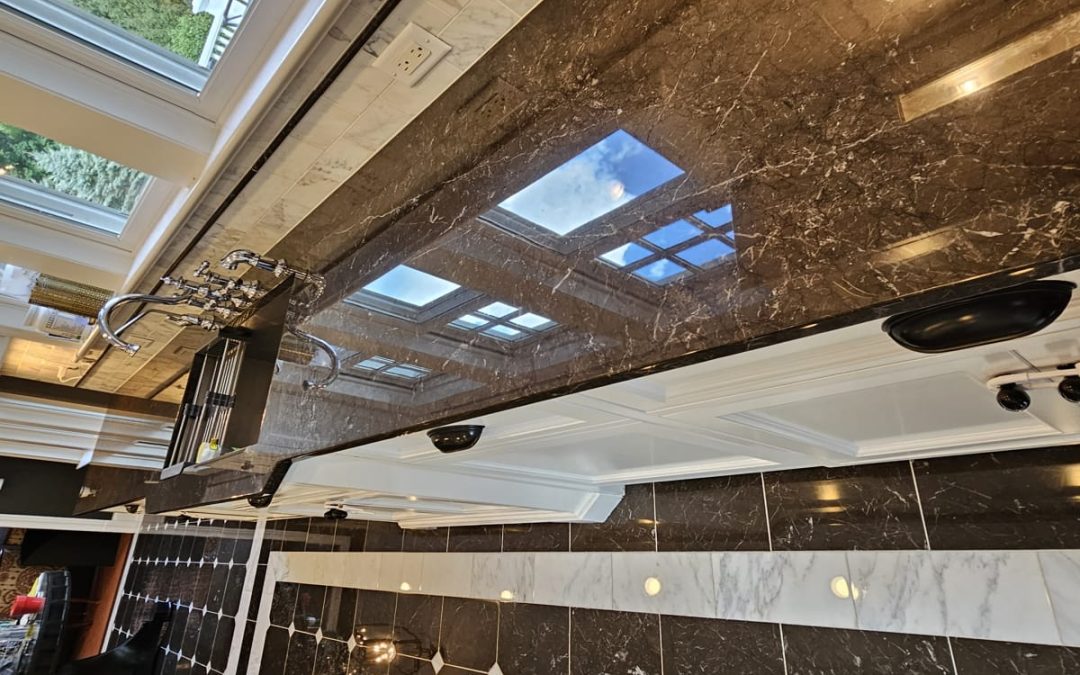
Marble floors are known for their timeless elegance, luxurious appeal, and natural stone durability, but even the most beautiful surfaces can lose their charm over time. High foot traffic, heavy furniture, improper cleaning methods, and acidic spills often lead to deep scratches, dullness, and uneven surfaces. While basic cleaning or polishing may temporarily improve shine, these methods do not address structural surface damage. That is where professional marble grinding services become essential. Marble grinding is the foundational step in marble floor restoration because it removes surface imperfections at their core rather than masking them. From deep scratch removal to complete marble floor leveling, the grinding process transforms damaged stone into a smooth, flat, and uniform finish. Homeowners and commercial property managers alike rely on professional marble restoration to bring worn-out floors back to life. Whether the issue is lippage between tiles or heavy etching, grinding creates the perfect base for honing and polishing. Simply put, marble grinding is the starting point for achieving a flawless, flat finish that restores both beauty and value.
What Is Marble Grinding? Understanding the Core Process
Marble grinding is a mechanical stone resurfacing process that removes the top damaged layer of marble using industrial-grade equipment and diamond abrasive grinding tools. Unlike light buffing or surface polishing, grinding penetrates deeper into the stone to correct structural imperfections. The process typically involves multiple passes with progressively finer diamond grinding pads to achieve a smooth and even surface. This method is widely used in marble floor restoration, terrazzo and marble grinding projects, and commercial stone floor refinishing. Because marble is a calcium-based natural stone, it is prone to scratches and etch marks that require more than superficial treatment. Grinding ensures that damage is eliminated rather than concealed. It also prepares the marble for honing and polishing stages. When done professionally, the marble grinding process restores uniformity, enhances durability, and significantly improves light reflection.
Mechanical Grinding Explained
Mechanical grinding involves the use of planetary floor grinders equipped with rotating diamond abrasives. These machines apply consistent pressure while grinding down uneven areas and damaged sections of the marble surface. Coarse metal-bond diamond pads are used first to remove deep scratches, lippage, and heavy wear. Gradually, technicians switch to finer grits to refine the surface and reduce visible grinding marks. Water is often used during the process to minimize dust and control heat, especially in wet marble grinding systems. Each grit level smooths the surface further until the floor becomes flat and uniform. This systematic approach ensures precision and consistency across the entire area. Professional marble grinding is carefully monitored to avoid over-grinding or damaging the stone.
Difference Between DIY Buffing and Professional Grinding
Many homeowners attempt DIY marble buffing using rental machines or polishing powders, but buffing only addresses surface-level dullness. It does not correct deep scratches or uneven marble tiles. Professional marble grinding, on the other hand, removes a thin layer of stone to eliminate damage completely. DIY methods often lack the power and precision required for marble lippage removal or structural leveling. Additionally, improper technique can cause swirl marks, uneven patches, or permanent surface damage. Professional stone floor refinishing uses calibrated equipment, diamond abrasives, and expert knowledge to ensure flawless results. Grinding is a structural correction process, not just a cosmetic enhancement. That is why it remains the most effective solution for severe marble floor damage.
Signs Your Marble Floor Needs Professional Grinding
If you notice the following issues, your marble floor may require professional marble grinding services:
-
Deep scratches and gouges – Visible lines that cannot be removed with polishing.
-
Uneven marble tiles (lippage) – Edges of tiles sitting higher than adjacent tiles.
-
Dull and worn traffic paths – High-traffic areas losing shine and texture.
-
Etch marks from acidic spills – Damage from lemon juice, vinegar, or cleaning agents.
-
Water stains and embedded dirt – Discoloration that penetrates the surface.
-
Trip hazards from uneven flooring – Safety concerns in commercial spaces.
Ignoring these signs can lead to further deterioration and more costly marble floor repair later.
Step-by-Step: How Professional Marble Grinding Works
Professional marble grinding follows a systematic, multi-stage approach to ensure precision and long-lasting results.
Floor Inspection and Damage Assessment
The process begins with a detailed inspection to evaluate scratch depth, tile alignment, moisture levels, and surface condition. Technicians identify areas with severe lippage or structural damage. This assessment determines the grit level required and the number of grinding passes needed. Measuring flatness ensures accurate marble floor leveling. Proper evaluation prevents over-grinding and protects the stone’s integrity.
Surface Preparation and Protection
Before grinding begins, furniture is removed and adjacent surfaces are protected. Plastic sheeting and masking materials shield walls and fixtures. In dustless marble grinding setups, HEPA filtration systems are installed. Wet grinding methods involve water flow systems to control dust and heat. Proper preparation ensures safety and cleanliness throughout the process.
Coarse Diamond Grinding (Removing Deep Scratches)
Coarse metal-bond diamond grinding pads, typically 30–50 grit, are used first. This stage removes deep scratches, etch marks, and uneven tile edges. Multiple passes may be required for severe damage. The goal is to eliminate imperfections and create a level foundation. This step is critical for effective marble lippage removal.
Progressive Grinding and Honing
After coarse grinding, technicians transition to medium and fine grit pads (100–400 grit). Each stage refines the surface and reduces visible grinding marks. The floor gradually becomes smoother and more uniform. This phase bridges the gap between heavy correction and finishing stages.
Final Leveling for Flat Finish
The final grinding stage ensures complete flatness across the marble surface. Technicians check for remaining uneven areas and make adjustments. A flat stone surface enhances light reflection and prepares the floor for honing or polishing. This stage defines the overall quality of the restoration.
Wet Grinding vs Dry Grinding: Which Method Is Better?
| Feature | Wet Grinding | Dry Grinding |
|---|---|---|
| Dust Control | Excellent (minimal airborne dust) | Requires HEPA vacuum system |
| Surface Finish | Smoother, cooler grinding | Slightly faster process |
| Cleanup | Slurry removal required | Easier debris cleanup |
| Best Use Cases | Indoor residential projects | Large commercial areas |
Wet marble grinding is preferred for most residential marble floor restoration projects due to superior dust control and smoother results. Dry grinding may be suitable for large commercial marble repair jobs where speed is a priority.
Tools and Equipment Used in Professional Marble Grinding
Professional marble resurfacing services rely on advanced equipment for consistent results.
-
Planetary floor grinders – Ensure even pressure distribution.
-
Diamond metal-bond pads – Remove deep damage.
-
Resin-bond polishing pads – Refine and smooth surfaces.
-
Edge grinders – Reach corners and tight spaces.
-
HEPA dust extraction systems – Maintain dustless operation.
-
Moisture control systems – Prevent overheating during wet grinding.
Using industrial-grade tools ensures efficiency, safety, and precision.
Marble Grinding vs Honing vs Polishing: What’s the Difference?
Understanding the distinction between these processes is essential in natural stone polishing and restoration.
Grinding (Structural Correction)
Grinding removes deep imperfections and levels the surface. It is the most aggressive restoration method and corrects structural damage.
Honing (Smooth Matte Finish)
Honing uses finer abrasives to create a smooth, satin-like finish. It removes minor scratches but does not produce high gloss.
Polishing (High-Gloss Finish)
Polishing enhances shine and light reflection using ultra-fine abrasives or polishing compounds. It is the final aesthetic stage.
How Grinding Fixes Deep Scratches and Lippage
Marble lippage removal requires grinding down raised tile edges until they align with surrounding tiles. Deep scratch repair marble techniques involve removing a thin stone layer until scratches disappear completely. Because the grinding process is gradual and controlled, technicians maintain stone thickness while achieving uniformity. Multiple grit transitions ensure that the floor does not appear patchy. Overlapping machine passes guarantee even abrasion. Once completed, the floor looks seamless and balanced. The result is a dramatically improved surface that appears newly installed. Grinding addresses both visual and structural flaws simultaneously.
Achieving a Flat Finish: Why Leveling Matters
A flat marble surface is more than an aesthetic improvement; it enhances durability and safety. Marble floor leveling improves light reflection, giving the space a brighter and more luxurious appearance. Flat surfaces are easier to clean because dirt cannot accumulate in uneven gaps. Commercial marble floor grinding reduces trip hazards in high-traffic areas like hotels and offices. Even surfaces distribute weight more evenly, preventing future cracking. Property value often increases after professional marble restoration. Flat finishes also provide the perfect base for sealing and polishing. Ultimately, leveling ensures long-term performance and visual appeal.
Residential vs Commercial Marble Grinding Services
Residential Marble Floor Restoration
Homeowners typically require marble scratch removal, etch repair, and aesthetic enhancement. Kitchens, bathrooms, and living areas benefit from wet grinding methods that minimize dust. Residential projects focus on restoring elegance and maintaining home value.
Commercial and High-Traffic Spaces
Commercial marble floor repair often involves hotels, malls, hospitals, and corporate offices. These spaces demand heavy-duty grinding equipment and durable finishes. High-traffic stone floor refinishing prioritizes safety, durability, and long-lasting gloss.
How Long Does Marble Grinding Take and What Does It Cost?
Marble grinding cost per square foot varies depending on damage severity and project size.
| Factor | Impact on Cost |
|---|---|
| Floor condition | Severe damage increases labor time |
| Square footage | Larger areas reduce per-foot cost |
| Lippage severity | Requires additional grinding passes |
| Accessibility | Tight areas increase complexity |
| Sealing & polishing | Additional finishing adds cost |
On average, marble restoration pricing ranges between moderate to premium rates depending on region and expertise. A standard residential project may take one to three days, while commercial spaces may require longer scheduling.
Post-Grinding Care: Protecting Your Restored Marble Floors
After professional marble grinding, proper maintenance ensures long-term durability.
-
Apply a high-quality marble sealing solution to protect against stains.
-
Use pH-neutral cleaners designed for natural stone.
-
Avoid acidic or abrasive cleaning products.
-
Place protective pads under heavy furniture.
-
Schedule periodic professional maintenance for high-traffic areas.
-
Clean spills immediately to prevent etching.
-
Use entrance mats to reduce dirt accumulation.
Consistent care preserves the flat finish and shine achieved through grinding.
Frequently Asked Questions (FAQ)
1. Does marble grinding remove all scratches?
Yes, deep scratches are removed by grinding down the surface layer until imperfections disappear.
2. Is marble grinding messy?
Modern dustless marble grinding systems and wet grinding methods significantly reduce dust.
3. How often should marble floors be ground?
Grinding is typically required only when severe damage or lippage occurs.
4. Can grinding damage marble?
When performed by professionals using proper equipment, grinding is safe and controlled.
5. Is sealing necessary after grinding?
Yes, sealing protects the newly restored surface from stains and moisture.
Final Thoughts
Professional marble grinding is the cornerstone of effective marble floor restoration. From removing deep scratches to achieving perfectly flat finishes, the process transforms damaged natural stone into a smooth and elegant surface. By using advanced diamond grinding pads, industrial equipment, and systematic grit progression, professionals ensure precise and lasting results. Whether for residential marble resurfacing services or commercial stone floor refinishing, grinding restores both beauty and structural integrity. When combined with proper sealing and maintenance, the results can last for many years. Investing in professional marble grinding not only enhances appearance but also protects long-term property value.