

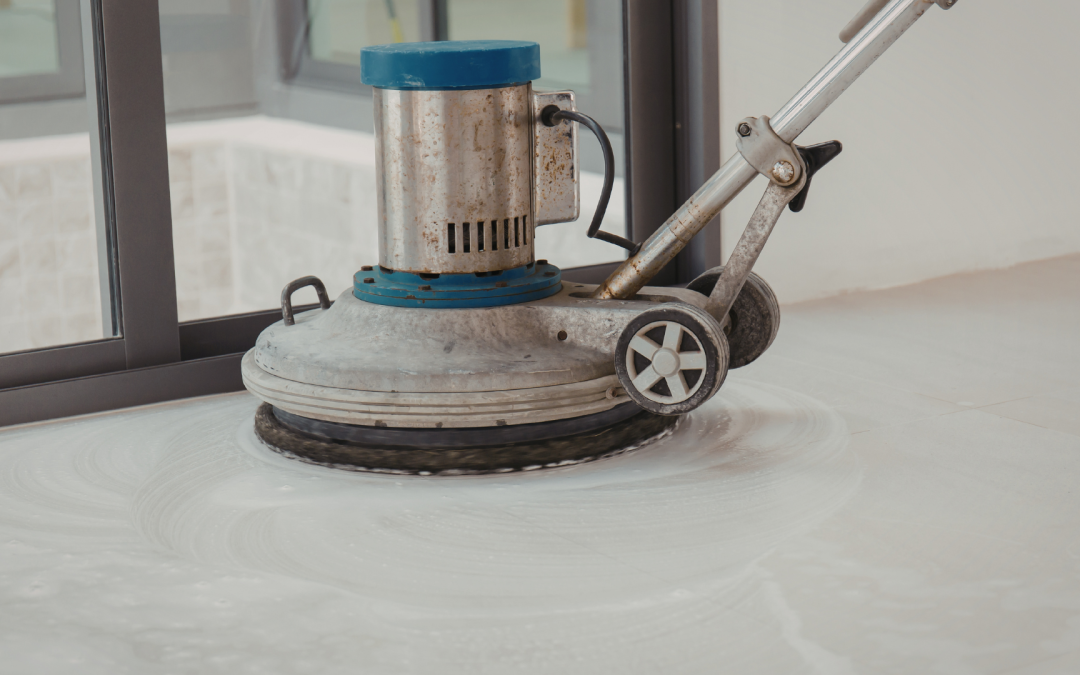
How To Remove Scratches From Marble
Here you will learn how to remove scratches from marble. Read on to learn everything on the topic or contact Love Marble Stone & Restoration today! We are a New Jersey marble restoration company and can help with all of your marble scratch removal needs!
Removing Unsightly Scratches From Marble & Stone Surfaces
Marble is known for its timeless beauty, smooth finish, and elegant appearance, but it is also a relatively soft natural stone that can become scratched over time. Whether you have marble floors, countertops, vanities, fireplace surrounds, or other stone surfaces, scratches can quickly take away from the polished look of the material.
The good news is that many marble scratches can be reduced or removed with the right restoration techniques. The proper solution depends on how deep the scratch is, the type of marble, and the finish of the surface.
Love Marble Stone & Restoration in Springfield, New Jersey provides professional marble restoration, polishing, refinishing, and repair services for residential and commercial properties throughout the area. Understanding how scratches occur and how they can be corrected can help you protect your marble and keep it looking its best.
Why Does Marble Scratch So Easily?
Marble is a natural stone primarily composed of calcite. Compared to harder materials such as granite, marble is more susceptible to scratches, etching, and surface wear.
Small particles of dirt, sand, and grit can act like sandpaper when they are dragged across marble floors. Furniture legs can also scratch marble if they are moved without protective pads underneath.
On countertops and vanities, scratches may result from cookware, tools, decorative objects, or other hard materials sliding across the surface.
Even normal daily use can gradually cause marble to lose its smooth, reflective appearance.
Can Scratches Be Removed From Marble?
In many cases, yes.
Surface-level scratches can often be polished or honed out of marble. Deeper scratches may require professional grinding, honing, refinishing, or restoration.
The most important factor is the depth of the damage.
A very light scratch that only affects the polished finish may be corrected relatively easily. A deeper scratch that can be felt with a fingernail may require more extensive restoration.
Attempting aggressive DIY repairs can sometimes make the affected area more noticeable, especially if the surrounding marble has a polished finish.
How to Remove Light Scratches From Marble
Very fine surface scratches may sometimes be improved through polishing.
Marble polishing uses specialized compounds and polishing equipment to restore smoothness and shine to the stone.
For extremely minor scratches, homeowners may try using a marble-safe polishing product designed specifically for natural stone.
However, it is important to avoid household abrasive cleaners.
Products containing harsh abrasives can create additional scratches and leave the marble looking cloudy.
If scratches cover a large section of flooring or countertops, professional polishing is generally the better option because it produces a more uniform finish.
What About Deeper Marble Scratches?
Deeper scratches often require marble honing.
Honing is a restoration process that uses progressively finer abrasives to remove a thin layer of the marble surface. This helps eliminate scratches, dull areas, and other imperfections.
Once the damaged layer has been removed, the marble can be polished again to restore the desired level of shine.
For particularly deep scratches, the stone may need to be ground before honing and polishing.
Professional marble technicians use specialized diamond abrasives that allow them to gradually level the damaged area without unnecessarily removing too much stone.
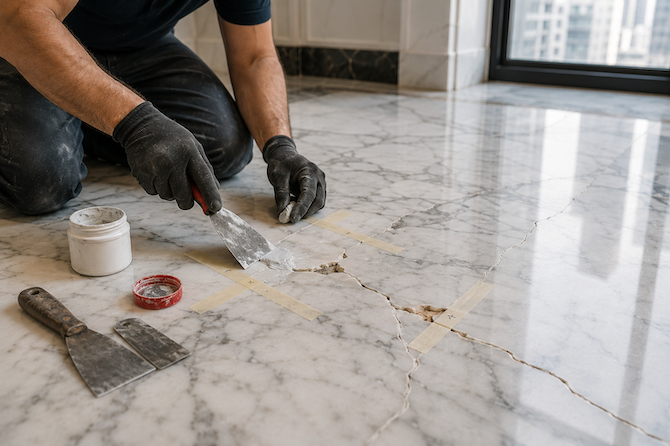
Marble Grinding for Severe Damage
Grinding is typically used when marble surfaces have deeper scratches, uneven tiles, heavy wear, or significant surface damage.
Diamond grinding equipment removes a very thin portion of the stone to create a smooth, consistent surface.
After grinding, the marble goes through several stages of honing and polishing.
This process can dramatically improve marble that appears heavily scratched, worn, or neglected.
Professional marble grinding can also correct uneven marble tiles that create raised edges between adjacent pieces of stone.
Can Scratched Marble Floors Be Restored?
Yes. Marble floors are one of the most common surfaces to develop scratches because they are constantly exposed to foot traffic.
Shoes can carry sand, dirt, and small stones indoors. These particles can scratch marble when people walk across the floor.
In high-traffic areas, thousands of tiny scratches may eventually create a dull or hazy appearance.
Professional marble floor restoration can remove this damaged surface layer and restore the stone’s natural appearance.
Depending on the condition of the floor, restoration may include cleaning, grinding, honing, polishing, and sealing.
Can Scratched Marble Countertops Be Repaired?
Scratched marble countertops can often be refinished as well.
Kitchen countertops may develop scratches from cookware, utensils, appliances, or decorative objects.
Bathroom vanities can also become scratched from grooming products, containers, jewelry, and other everyday items.
If the scratches are minor, professional polishing may be enough to correct the problem.
Deeper scratches may require localized honing or refinishing.
Because marble countertops are usually highly visible, professional restoration can help ensure that the repaired area blends properly with the surrounding stone.
Marble Scratches vs. Marble Etching
Many homeowners mistake marble etching for scratching.
A scratch is a physical groove or mark created when a harder material damages the marble surface.
Etching is different.
Etching occurs when acidic substances chemically react with the calcium carbonate in marble.
Common causes include lemon juice, vinegar, wine, soda, tomatoes, and certain household cleaning products.
Etched marble may appear dull, cloudy, or lighter than the surrounding surface.
Although scratches and etching are caused by different things, both problems can often be corrected through professional marble honing and polishing.
How to Prevent Scratches on Marble Floors
Preventing scratches can help extend the life of your marble finish.
One of the most effective strategies is keeping dirt and grit off the floor.
Regularly vacuum or sweep marble floors using equipment that will not scratch the stone.
Placing mats near exterior entrances can help trap sand and debris before it reaches the marble.
Furniture legs should have felt or protective pads underneath them.
Avoid dragging furniture, boxes, or heavy objects across marble floors.
Routine professional cleaning and polishing can also help maintain the surface and prevent small scratches from becoming more noticeable.
How to Protect Marble Countertops From Scratches
Use cutting boards rather than cutting directly on marble countertops.
Place protective pads or trivets underneath cookware, small appliances, and decorative objects.
Avoid sliding heavy objects across the surface.
Clean marble with products specifically designed for natural stone and avoid abrasive sponges or scrubbers.
Even small precautions can make a significant difference in maintaining the appearance of marble.
Should You Repair Marble Scratches Yourself?
Very minor surface imperfections may sometimes be improved with marble-safe polishing products.
However, deeper scratches should generally be handled by a professional.
DIY sanding, grinding, or polishing can create uneven areas or change the appearance of the finish.
For example, attempting to sand one scratch on a polished marble floor may leave a dull patch that is more noticeable than the original scratch.
Professional marble restoration technicians use specialized equipment and multiple stages of abrasives to blend repaired areas into the surrounding surface.
When Should Marble Be Professionally Restored?
Professional restoration may be worth considering if your marble has:
- Deep scratches
- Numerous surface scratches
- Dull or cloudy areas
- Etching
- Uneven tiles
- Lost its original shine
- Heavy traffic wear
- Stains or discoloration
- Chipped or damaged areas
In many cases, marble does not need to be replaced simply because it looks worn.
Stone restoration can often dramatically improve the appearance of existing marble.
Professional Marble Restoration in Springfield, NJ
Marble is designed to last for decades, but maintaining its appearance requires proper care.
Scratches, dullness, and surface wear do not necessarily mean your marble needs to be replaced.
Professional grinding, honing, polishing, and refinishing can often restore damaged marble and bring back its smooth, elegant finish.
Love Marble Stone & Restoration provides professional marble restoration services in Springfield, New Jersey and across NJ & NYC. Whether you have scratched marble floors, countertops, vanities, or other natural stone surfaces, proper restoration can help bring the stone back to life while preserving the beauty of the original material.