

Marble is a beautiful natural stone that adds elegance and character to homes and commercial properties. From polished entryway floors to kitchen countertops and bathroom surfaces, marble can remain attractive for many years with proper care.
However, even well-maintained marble can develop scratches, stains, acid etching, chips, and dull finishes. When these problems appear, property owners often face an important question: Should they restore their existing marble or replace it entirely?
Understanding marble restoration vs replacement can help you make an informed decision. While restoration may improve many types of surface damage, some conditions require more extensive repairs or new stone.
Fortunately, marble that looks worn does not always need to be replaced. Professional restoration may improve the appearance of existing surfaces while preserving the original material.
At Love Marble Stone & Restoration, we provide professional marble cleaning, polishing, grinding, refinishing, sealing, and restoration services throughout New Jersey and New York City.
In this guide, we’ll compare marble restoration and replacement, explain their benefits and limitations, and help you determine which option may be right for your property.
What Is Marble Restoration?
Marble restoration involves professional treatments designed to improve the appearance and condition of existing marble surfaces.
Unlike replacement, restoration generally preserves the original stone rather than removing it and installing new material.
For example, marble floors that have become scratched or dull may benefit from professional honing and polishing. Meanwhile, certain stains and small chips may require specialized cleaning or repairs.
However, not every marble surface needs the same treatment. A restoration specialist should evaluate the stone before recommending a specific process.
Professional Marble Cleaning
Professional marble cleaning removes dirt, cleaning residue, and certain stains using methods appropriate for natural stone.
For instance, marble that appears cloudy because of product buildup may improve through professional cleaning alone.
However, cleaning cannot correct scratches or acid etching that have changed the stone’s finish.
Marble Honing and Refinishing
Honing uses specialized abrasives to refine the marble surface. Depending on the damage, it may reduce scratches, etching, and other imperfections.
In addition, honing can create a smooth matte or satin finish.
Professional marble refinishing may involve honing followed by additional polishing stages to achieve the desired appearance.
Marble Polishing
Professional marble polishing helps restore the desired level of shine to suitable surfaces.
For example, polished marble flooring may lose its reflective appearance because of everyday foot traffic and fine surface scratches.
Polishing can improve the finish, although deeper scratches and etching may require honing first.
Marble Grinding
Professional marble grinding uses specialized abrasives to address certain deeper scratches and suitable surface irregularities.
However, grinding removes a controlled amount of stone. Therefore, it should only be recommended when less extensive treatment is insufficient.
For a closer explanation, read our guide to how professional marble grinding works.
Marble Repairs and Stain Treatment
Some marble chips, minor cracks, and stains can be treated using specialized stone restoration materials.
However, results depend on the type and extent of damage. Certain defects may remain partially visible even after professional treatment.
Marble Sealing
Professional marble sealing may improve stain resistance when a suitable penetrating sealer is appropriate for the material.
However, sealing does not prevent scratches, acid etching, or every type of stain.
Additionally, sealing is not automatically necessary after every restoration project.
What Does Marble Replacement Involve?
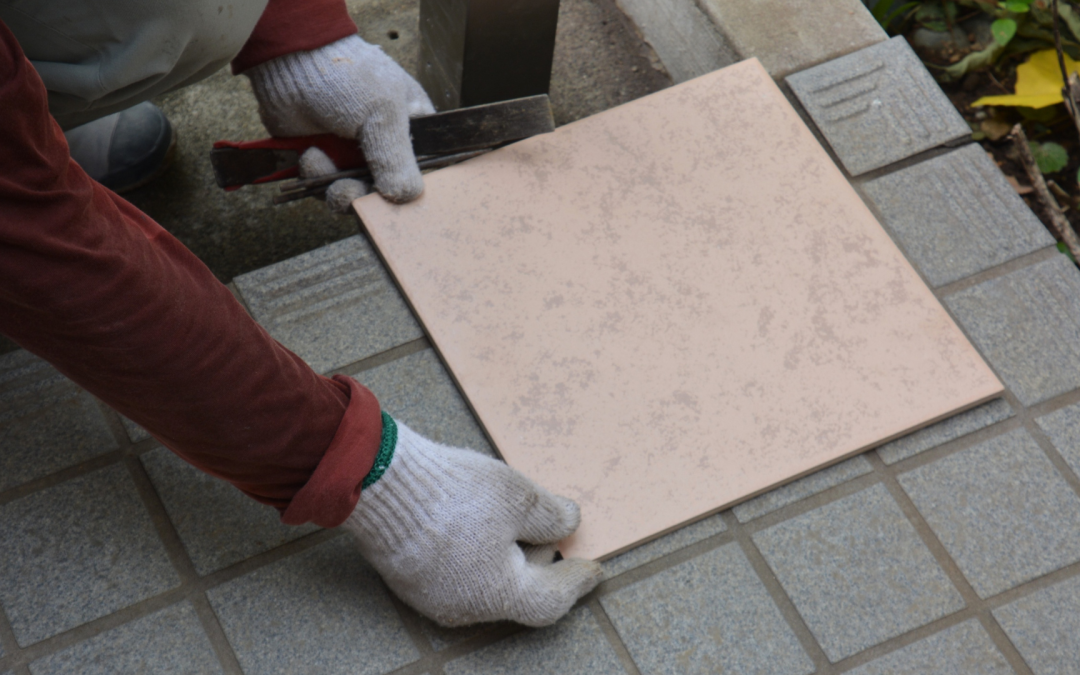
Marble replacement involves removing damaged or unwanted stone and installing new material.
Depending on the project, this may include replacing individual floor tiles, an entire marble floor, countertops, or decorative stone features.
For example, marble flooring that has extensive breakage or cannot remain securely attached may require removal and replacement.
However, replacing marble can involve several stages beyond purchasing the new stone.
Typical Marble Replacement Steps
- Inspect the existing stone and determine the extent of damage.
- Remove the affected marble tiles or slabs.
- Evaluate the underlying surface for damage or instability.
- Complete necessary substrate preparation or repairs.
- Select suitable replacement marble.
- Cut and prepare the new material.
- Install the marble using appropriate methods.
- Complete necessary finishing and cleanup.
The process varies depending on the size of the project and the type of stone involved.
Additionally, matching the color and veining of existing marble can be challenging because natural stone varies from one piece to another.
While replacement may be necessary in some situations, it is worth determining whether the original marble can be restored first.
Marble Restoration vs Replacement: Key Differences
When comparing marble restoration vs replacement, several factors deserve consideration.
These include the existing damage, project costs, disruption, appearance, and condition of the underlying materials.
| Consideration | Marble Restoration | Marble Replacement |
|---|---|---|
| Best For | Scratches, etching, dullness, and suitable repairable damage | Extensive breakage, unstable stone, or desired material changes |
| Existing Marble | Preserves suitable original stone | Removes and replaces affected material |
| Cost | May be lower when surface damage is repairable | Includes new materials, removal, and installation |
| Project Duration | Depends on surface area and required treatments | Depends on removal, material availability, and installation |
| Disruption | May avoid demolition and extensive removal | Often requires demolition or removal of existing stone |
| Appearance | Improves the finish of existing marble | Provides new material that may differ in color and veining |
| Structural Problems | Surface refinishing does not resolve underlying instability | May be part of a project addressing damaged stone and substrates |
| Material Waste | Generally retains more existing stone | May generate waste from removed materials |
For example, a scratched marble foyer may respond well to restoration. In contrast, a floor with widespread loose tiles and serious substrate damage requires a more extensive evaluation.
Therefore, the best option depends on the actual condition of the installation.
Comparing the Cost of Marble Restoration vs Replacement
Cost is often one of the biggest considerations when choosing between restoring and replacing marble.
In many cases, restoration may be less expensive because it preserves existing material and avoids some of the work associated with removal and installation.
However, there is no universal cost difference that applies to every project.
For example, polishing a relatively small marble floor involves different expenses than repairing extensive damage throughout a large commercial property.
Factors That Affect Marble Restoration Costs
- Size of the surface being restored
- Depth and extent of scratches
- Presence of acid etching or stains
- Condition of the existing marble
- Need for grinding, honing, or polishing
- Additional repairs or suitable sealing
- Accessibility and preparation requirements
Factors That Affect Marble Replacement Costs
- Type and quantity of replacement marble
- Removal and disposal of existing stone
- Preparation or repair of underlying surfaces
- Cutting and fabrication requirements
- Installation labor
- Matching existing colors and patterns
- Additional work involving nearby fixtures or finishes
As a result, a professional assessment is important before comparing estimates.
For additional pricing information, read our article on marble floor restoration costs in New Jersey.
Signs Your Marble Needs Restoration Rather Than Replacement
Many common marble problems primarily affect the stone’s appearance rather than its structural stability.
When the existing marble remains sound, professional restoration may be an appropriate solution.
1. Dull Marble Floors
Polished marble flooring can lose its shine because of foot traffic, abrasive dirt, and everyday wear.
Fortunately, professional polishing or refinishing may improve the appearance without replacing the stone.
2. Surface Scratches
Fine scratches can develop when dirt is tracked across floors or furniture moves against the stone.
Depending on their depth, these marks may be reduced through honing or polishing.
3. Acid Etching
Marble contains calcium carbonate, which reacts with acidic substances.
Consequently, spills involving vinegar, wine, lemon juice, or acidic cleaning products can leave dull marks.
Because etching changes the stone’s surface, cleaning alone generally cannot remove it.
However, professional refinishing may improve many etched areas.
4. Uneven Shine
Some marble floors develop dull traffic patterns while less-used areas retain their original reflective finish.
Professional polishing and refinishing may help create a more consistent appearance.
5. Minor Chips and Repairable Cracks
Small chips and certain cracks may be repaired using stone-compatible materials.
However, the cause of the damage should be evaluated before treatment begins.
6. Certain Stains and Discoloration
Some marble stains can be treated using specialized cleaning methods or poultices.
However, not every stain can be removed completely.
In addition, persistent dark areas may indicate moisture problems that require separate attention.
If you’re unsure whether your flooring needs professional treatment, see our guide to signs your marble floors need restoration.
When Marble Replacement May Be the Better Option
Although restoration can improve many marble surfaces, replacement may be appropriate when damage extends beyond the finish.
However, severe-looking damage does not automatically mean the entire installation must be replaced.
Extensive Cracking or Breakage
Marble with large broken sections or extensive cracking may require replacement when repairs cannot provide a suitable result.
However, certain individual sections may be replaceable without removing the entire floor.
Loose or Unstable Marble Tiles
Loose flooring may indicate an underlying installation problem.
Because polishing does not correct inadequate attachment or movement, the cause should be investigated before restoration begins.
Significant Water or Moisture Damage
Persistent moisture can affect marble installations and underlying materials.
For example, water intrusion may contribute to discoloration, adhesive problems, or deterioration beneath the stone.
In these situations, the moisture source must be identified and addressed.
Severe Substrate Problems
Movement, damaged underlayment, or other substrate defects may affect the stability of marble flooring.
Surface restoration cannot correct these underlying conditions.
Therefore, repairs to the substrate and replacement of affected stone may be necessary.
Major Design Changes
Sometimes marble replacement is a design decision rather than a repair necessity.
For example, homeowners remodeling a kitchen or bathroom may want a different color, finish, or stone material.
In these cases, replacing marble may better match the property’s renovation goals.
Surface Damage vs Structural Damage: Why the Difference Matters
Understanding the distinction between cosmetic and structural concerns is one of the most important parts of deciding whether to restore or replace marble.
Surface damage generally affects the stone’s finish or appearance.
In contrast, structural or installation-related problems may affect the stability of the stone and its supporting materials.
| Type of Damage | Common Examples | Possible Solution |
|---|---|---|
| Surface Wear | Dullness and fine scratches | Cleaning, honing, or polishing |
| Acid Etching | Cloudy marks from acidic spills | Professional honing or refinishing |
| Staining | Discoloration from absorbed substances | Specialized stain treatment when suitable |
| Minor Edge Damage | Small chips or localized cracks | Suitable stone repair methods |
| Loose Tiles | Movement or unstable flooring | Investigation and installation-related repairs |
| Extensive Breakage | Large broken or missing sections | Repair or replacement assessment |
| Underlying Moisture Problems | Persistent dampness or substrate deterioration | Correct the moisture source and evaluate affected stone |
For example, a marble floor that looks scratched may still be structurally sound and suitable for restoration.
However, a floor that moves underfoot requires further investigation, even if its surface appears attractive.
Therefore, visual appearance alone should not determine whether replacement is necessary.
Is Marble Restoration More Environmentally Friendly Than Replacement?
Restoring existing marble may reduce the need for new stone materials and avoid some demolition waste.
For example, polishing an existing floor generally preserves the original tiles rather than removing them.
In addition, retaining existing material may reduce transportation and disposal requirements compared with a complete replacement project.
However, restoration still involves equipment, cleaning products, water, and other resources.
Therefore, the environmental impact depends on the treatments required and the circumstances of the project.
When existing marble remains suitable for restoration, preserving it can be a practical way to reduce unnecessary material replacement.
How Marble Restoration Can Improve Property Appearance and Resale Appeal
Well-maintained marble can contribute to an attractive appearance in homes and commercial properties.
For example, polished marble flooring can help highlight the natural veining and finish of an entryway or living space.
Meanwhile, scratched or dull marble may draw attention away from other architectural features.
Professional restoration can improve suitable surface damage and help present existing stone in better condition.
However, restoration does not guarantee a specific increase in property value or a faster sale.
Resale outcomes depend on several factors, including location, overall property condition, comparable sales, and market demand.
For homeowners preparing to list a luxury property, evaluating visible marble surfaces can be a worthwhile part of preparing the home for showings.
Marble Restoration vs Replacement: Which Takes Longer?
Project duration is another important consideration, particularly for occupied homes and commercial buildings.
However, the amount of time required depends on the area, damage, and treatments involved.
What to Expect During Marble Restoration
Restoration may include cleaning, honing, polishing, localized repairs, and other suitable treatments.
Because the existing marble usually remains in place, extensive demolition may not be necessary.
However, furniture movement, work-area preparation, and drying or curing requirements can affect scheduling.
What to Expect During Marble Replacement
Replacement generally involves removing existing stone, preparing the underlying area, and installing new materials.
Additional time may be needed for material availability, fabrication, substrate repairs, and installation-related curing.
As a result, replacement may involve more coordination than surface restoration.
Nevertheless, a small replacement project may be simpler than restoring a very large or heavily damaged surface.
Therefore, request project-specific timelines rather than relying on universal estimates.
Why Professional Marble Assessment Is Important
Before choosing marble restoration or replacement, it’s important to understand the condition of the existing stone.
For example, scratches, stains, and dullness may appear similar to homeowners who are unfamiliar with natural stone maintenance.
However, these problems require different treatments.
Professional restoration specialists evaluate the surface and determine whether cleaning, polishing, honing, grinding, or repairs may be appropriate.
Additionally, they can identify visible concerns that may require further investigation before restoration begins.
Attempting aggressive DIY grinding or polishing may create uneven finishes and unnecessary stone removal.
For this reason, specialized treatment is generally better handled by professionals with relevant experience.
To understand what to look for in a contractor, read our guide to choosing marble restoration services in New Jersey.
How to Maintain Marble After Restoration
Professional restoration can improve the appearance of marble, but proper maintenance remains essential.
Fortunately, a few everyday practices can help reduce avoidable damage.
Recommended Marble Maintenance Tips
- Use pH-neutral cleaners suitable for marble.
- Avoid vinegar, lemon juice, and acidic household cleaning products.
- Remove dirt and grit from marble floors regularly.
- Wipe up spills promptly.
- Use entrance mats to reduce tracked-in debris.
- Place protective pads beneath furniture.
- Avoid dragging heavy objects across marble flooring.
- Use coasters and cutting boards on marble countertops.
- Ask a stone specialist whether sealing is appropriate.
- Arrange professional evaluation when visible damage develops.
Additionally, there is no universal schedule requiring all marble surfaces to be restored every year.
Instead, the frequency should depend on foot traffic, cleaning practices, visible wear, and the condition of the stone.
For more information, review the Natural Stone Institute’s natural stone care guidance.
Marble Restoration Services in New Jersey and NYC
Marble floors, countertops, bathrooms, and decorative stone features are found in homes and commercial properties throughout New Jersey and New York City.
For example, homeowners in Springfield, Summit, Short Hills, Westfield, and surrounding New Jersey communities may need professional restoration for scratched entryways, dull marble floors, or etched countertops.
Meanwhile, NYC apartments, office buildings, hotels, and other commercial properties may require stone care for heavily used surfaces.
At Love Marble Stone & Restoration, we provide professional marble cleaning, honing, polishing, grinding, refinishing, sealing, and restoration for existing stone surfaces.
Our services focus on improving marble where restoration is appropriate and helping property owners understand their available options.
Frequently Asked Questions About Marble Restoration vs Replacement
Is It Better to Restore or Replace Marble Floors?
Restoration may be the better option when marble remains structurally sound and damage mainly affects its surface.
However, extensive breakage, loose tiles, or underlying installation problems may require repairs or replacement.
Can Scratched Marble Be Restored?
Many scratches can be reduced through professional honing or polishing.
However, deeper scratches may require grinding or additional treatment.
Can Dull Marble Floors Look Shiny Again?
Professional polishing can improve the shine of suitable marble surfaces.
However, the final result depends on the condition of the stone and the finish being restored.
Can Marble With Cracks Be Repaired?
Some minor cracks may be repaired using suitable stone repair materials.
However, significant cracks or movement-related damage require further evaluation.
Is Marble Restoration Cheaper Than Replacement?
Restoration may cost less when the existing marble is suitable for treatment and major repairs are unnecessary.
However, costs depend on the condition, surface area, and scope of the project.
How Long Does Marble Restoration Last?
The appearance of restored marble depends on its use, maintenance, and exposure to abrasive dirt and acidic substances.
There is no universal period that applies to every surface.
Does Marble Sealing Prevent Future Damage?
Suitable penetrating sealers may improve stain resistance.
However, sealing does not prevent scratches, acid etching, or structural damage.
Can Marble Restoration Fix Uneven Floors?
Certain minor surface irregularities may be suitable for professional grinding.
However, unevenness caused by loose tiles or underlying movement requires additional investigation and repairs.
Final Verdict: Marble Restoration or Replacement?
Choosing between marble restoration vs replacement depends on the condition of the existing stone and your property’s needs.
If the marble has surface scratches, acid etching, dullness, or other repairable cosmetic damage, professional restoration may provide an effective solution.
However, extensive breakage, unstable flooring, and certain underlying problems may require more extensive repairs or replacement.
Rather than assuming worn marble must be removed, start with a professional assessment.
Understanding the condition of your existing stone can help you compare costs, expected results, and the practical considerations of each option.
Contact Love Marble Stone & Restoration for Professional Marble Care
Marble is a valuable natural material that deserves proper care and maintenance.
Fortunately, scratches, dullness, etching, and certain types of damage do not always mean replacement is necessary.
At Love Marble Stone & Restoration, we specialize in professional marble cleaning, polishing, honing, grinding, refinishing, sealing, and restoration for residential and commercial properties throughout New Jersey and New York City.
Whether your marble floors have lost their shine, your countertops have developed etching, or your existing stone needs professional attention, our team can evaluate the surfaces and recommend suitable restoration options.
Before committing to an extensive marble replacement project, find out whether your existing natural stone can be restored.
Contact Love Marble Stone & Restoration today to request a consultation and discuss professional marble restoration services in NJ and NYC.