

Reasons to Consider Kitchen Marble Restoration Services in NYC
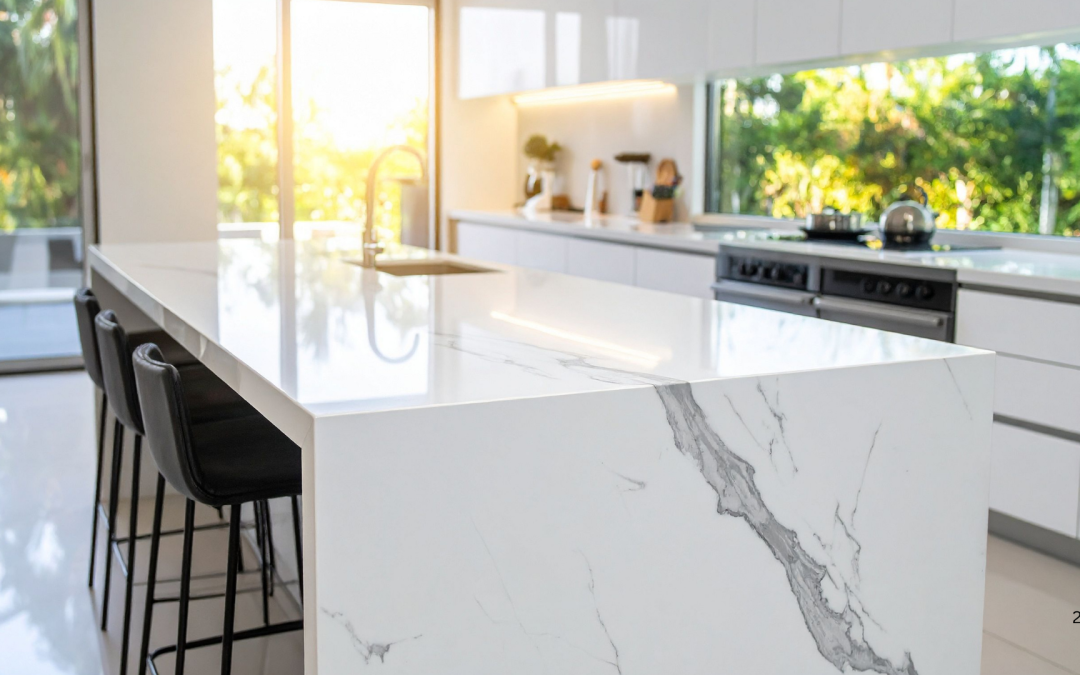
Marble countertops are a timeless feature that adds sophistication, elegance, and natural beauty to any kitchen. From luxurious Manhattan apartments to charming Brooklyn brownstones and upscale residences throughout New York City, marble remains a popular choice for homeowners who appreciate premium natural stone surfaces.
However, everyday kitchen activities can gradually affect marble’s appearance. Food spills, scratches, acidic ingredients, moisture, and improper cleaning products may cause dullness, staining, and surface etching. Fortunately, these problems do not always mean your marble countertops need to be replaced.
Professional kitchen marble restoration services in NYC can help restore the appearance of scratched, stained, etched, and worn marble countertops while preserving the original stone. Depending on the condition of the surface, restoration may involve specialized cleaning, honing, polishing, repairs, and sealing.
At Love Marble Stone & Restoration, we help homeowners throughout New Jersey and New York City maintain and restore their natural stone surfaces. In this guide, we’ll explore the benefits of kitchen marble restoration, signs your countertops need professional attention, and why restoration may be a better option than replacement.
Why Marble Countertops Are a Valuable Kitchen Investment
Marble is more than a countertop material. Its unique veining, natural colors, and elegant appearance make it a distinctive architectural feature in both traditional and contemporary kitchens.
Unlike manufactured materials with repeating patterns, every marble slab has its own natural characteristics. This makes marble especially appealing in luxury kitchens where unique finishes and timeless design are important.
Well-maintained marble countertops can also contribute to a home’s overall presentation and appeal. In New York City’s competitive residential real estate market, an attractive kitchen can make a favorable impression on prospective buyers.
However, marble requires proper care to maintain its appearance. According to the Natural Stone Institute’s natural stone care guidelines, marble’s calcium carbonate composition makes it sensitive to acidic substances, which is why suitable cleaning and maintenance practices are essential.
Professional restoration helps homeowners preserve the original stone and improve its appearance without automatically investing in a complete countertop replacement.
Signs Your Kitchen Marble Countertops Need Professional Restoration
Over time, even carefully maintained marble countertops may show signs of wear. Recognizing these problems early can help prevent unnecessary deterioration and allow homeowners to explore suitable restoration options.
Common signs that your kitchen marble may need professional attention include:
- Dull or faded marble surfaces that have lost their natural shine
- Visible scratches from kitchen utensils and everyday use
- Etching caused by acidic foods such as lemons, vinegar, or tomatoes
- Stubborn stains from coffee, wine, oils, or sauces
- Uneven gloss or discoloration across the countertop
- Small chips, cracks, or damaged countertop edges
- Cloudy patches that do not improve with ordinary cleaning
Some of these issues may be corrected with professional cleaning or polishing, while others require more extensive marble restoration techniques.
A professional assessment helps determine the type of damage and the most appropriate treatment for the existing marble.
Top Reasons to Invest in Kitchen Marble Restoration Services in NYC
1. Restore the Natural Shine of Your Marble Countertops
One of the primary reasons homeowners choose professional marble restoration is to restore the beautiful finish that makes natural marble so appealing.
Over time, daily kitchen activities and repeated cleaning can leave polished marble looking dull or uneven. Fine scratches and surface wear may reduce the stone’s reflectivity, making countertops appear older than they actually are.
Professional marble polishing uses specialized techniques and abrasives to refine the stone’s surface and restore its desired finish.
Depending on the homeowner’s preference and the existing countertop design, marble may be restored to a polished, honed, or satin appearance.
2. Remove Scratches and Acid Etching
Marble is softer than several other natural stone materials, making it susceptible to scratches and surface damage.
Kitchen countertops are especially vulnerable because they frequently come into contact with dishes, cookware, utensils, and food preparation materials.
Acid etching is another common problem. When acidic substances such as lemon juice, vinegar, wine, or tomato sauce come into contact with marble, they can react with the stone’s calcium carbonate composition and leave dull marks.
Unlike ordinary stains, etching is a chemical change to the marble’s surface. It cannot simply be cleaned away.
Professional marble refinishing may involve honing and polishing to reduce visible etching, remove certain scratches, and restore a more uniform finish.
For a closer look at this type of damage, read our related article, Kitchen Marble Restoration in NJ: Fixing Etches from Food & Acidic Spills.
3. Address Stubborn Marble Countertop Stains
Kitchen countertops are exposed to a variety of substances that may cause discoloration, particularly when the marble is absorbent or lacks suitable stain protection.
Common sources of marble staining include cooking oils, coffee, wine, food coloring, and certain household products.
Some stains penetrate below the surface, making them difficult to remove using ordinary cleaning solutions.
Professional marble restoration specialists can evaluate the type of stain and select an appropriate treatment. Depending on the source and severity of discoloration, treatment may involve specialized cleaning products or carefully selected poultice applications.
Not every stain can be removed completely, but professional assessment provides a better understanding of the available restoration options.
4. Extend the Useful Life of Existing Marble Countertops
Marble countertops represent a significant investment, particularly in luxury kitchens with large slabs, islands, and custom stone features.
Replacing these surfaces can involve removing existing countertops, transporting new materials, fabrication, installation, and possible modifications to surrounding fixtures.
Professional restoration may help preserve existing marble by addressing surface damage before replacement becomes necessary.
When the stone is structurally sound, restoring its appearance can be a practical way to extend its useful life and maintain the character of the original kitchen.
5. Make Marble Countertops Easier to Clean and Maintain
Scratched, stained, or damaged marble countertops can be more difficult to maintain because dirt and residue may accumulate in irregular surfaces and damaged areas.
Professional restoration can improve surface smoothness and address certain types of damage, making routine cleaning more manageable.
However, restoration and sealing should not be confused with sanitizing. Kitchen countertops still require proper cleaning and food-safe sanitizing practices when necessary.
The Centers for Disease Control and Prevention’s household cleaning guidance explains the importance of cleaning food preparation areas and appropriately sanitizing surfaces that have been exposed to raw meat or other contaminants.
For marble, always choose cleaning and sanitizing products that are compatible with natural stone and approved for the intended food-contact use.
6. Preserve the Character of Your Kitchen
Marble countertops often serve as the centerpiece of a luxury kitchen. Their distinctive veining, coloring, and natural patterns contribute to the overall design of the space.
Replacing damaged marble may mean losing a particular slab or design feature that originally made the kitchen unique.
Restoration allows homeowners to preserve the existing material while improving the appearance of scratches, etching, stains, and surface wear.
This can be particularly valuable in historic New York City residences, custom-designed kitchens, and properties where maintaining original architectural details is important.
Kitchen Marble Restoration vs. Marble Replacement
When kitchen marble becomes scratched, etched, or stained, homeowners often wonder whether it is better to restore or replace the existing countertops.
The answer depends on the condition of the marble, the extent of the damage, and the desired result.
| Feature | Marble Restoration | Marble Replacement |
|---|---|---|
| Cost | Often less expensive for repairable surface damage | Typically involves new material, fabrication, and installation |
| Project Duration | Varies by damage and treatment required | Depends on removal, fabrication, and installation |
| Disruption | May avoid countertop removal | Usually requires removing existing stone |
| Original Marble | Preserves the existing material | Replaces the existing material |
| Best Application | Surface scratches, etching, dullness, and certain stains | Severe structural damage or desired design changes |
| Material Waste | Usually generates less replacement material waste | Requires disposal or reuse of existing countertops |
Restoration is often an attractive option when marble remains structurally sound and the primary concerns involve cosmetic damage.
However, extensive cracking, unstable stone, or serious structural problems may make replacement more appropriate.
Professional evaluation helps homeowners understand which option best fits the condition of their marble and their renovation goals.
What Is Included in Professional Kitchen Marble Restoration?
Professional marble countertop restoration involves several techniques designed to address different types of surface damage.
The exact process depends on the condition of the marble and the results the homeowner wants to achieve.
Inspection and Surface Assessment
Restoration specialists begin by examining the marble for scratches, stains, etching, chips, cracks, and uneven finishes.
This assessment helps determine which treatments are suitable and whether the existing stone can be restored effectively.
Deep Marble Cleaning
Professional marble cleaning services help remove dirt, grease, cleaning residue, and contaminants that may have accumulated on the countertop.
Cleaning also prepares the stone for refinishing or polishing when those treatments are necessary.
Marble Grinding and Honing
When countertops have deeper scratches or uneven surface damage, technicians may use honing or more extensive abrasive refinement.
Honing helps smooth the marble and reduce visible etching, while grinding may be considered for certain deeper defects.
Not every countertop requires grinding. The least invasive suitable method should be selected based on the stone’s condition.
Professional Marble Polishing
Polishing refines the marble’s surface to achieve the desired level of reflectivity.
For homeowners who prefer a glossy appearance, professional polishing can improve shine and help produce a consistent finish across the countertop.
Marble Repairs and Sealing
Minor chips or damaged edges may be repaired using suitable stone restoration materials.
Where appropriate, professional marble sealing can help reduce liquid absorption and improve stain resistance.
However, sealing does not make marble stain-proof, waterproof, or resistant to acid etching.
The Natural Stone Institute’s sealing guidance explains that the need for sealing depends on the characteristics of the natural stone and the products used.
Benefits of Hiring Professional Marble Restoration Experts
While many basic cleaning tasks can be handled by homeowners, more advanced marble restoration requires specialized equipment, suitable products, and an understanding of natural stone.
Professional restoration offers several important advantages:
- Access to specialized marble honing and polishing equipment
- Experience identifying different types of marble damage
- Appropriate treatments for scratches, etching, and surface wear
- Product selection based on the stone’s condition and finish
- Reduced risk of damage from unsuitable DIY methods
- Professional recommendations for ongoing marble maintenance
Attempting aggressive DIY polishing or grinding can result in uneven finishes or additional scratches.
Choosing a qualified restoration specialist helps ensure the treatment is appropriate for the marble and the homeowner’s expectations.
How Often Should Kitchen Marble Countertops Be Restored?
There is no universal schedule for kitchen marble restoration. The appropriate timing depends on how frequently the kitchen is used, how the marble is maintained, and whether visible damage has developed.
Some kitchen countertops may maintain their finish for years with appropriate care, while heavily used surfaces may require professional attention sooner.
Homeowners should consider professional restoration when they notice:
- Persistent dullness that does not improve with cleaning
- Visible etching from food or acidic beverages
- Scratches that affect the countertop’s appearance
- Stubborn stains or discoloration
- Uneven gloss across the stone
- Minor chips or damaged edges
Periodic professional assessments can help identify maintenance needs, but restoration should be based on the condition of the stone rather than an automatic annual schedule.
How to Maintain Marble Countertops After Restoration
Once your kitchen marble has been professionally restored, proper maintenance helps preserve the results and reduce the risk of additional damage.
Follow these practical marble countertop care tips:
- Clean spills promptly, especially acidic liquids and oils.
- Use pH-neutral cleaners formulated for marble or natural stone.
- Avoid vinegar, lemon juice, and acidic household cleaning products.
- Use cutting boards instead of cutting directly on marble.
- Place hot cookware on suitable trivets or protective mats.
- Avoid abrasive scrubbers and harsh cleaning powders.
- Use coasters beneath glasses and beverage containers.
- Follow manufacturer recommendations for sealing and maintenance.
- Schedule professional cleaning or restoration when needed.
Consistent preventative care helps preserve the marble’s finish and reduce unnecessary wear.
Choosing the Best Kitchen Marble Restoration Services in NYC
Not every restoration company has the same experience working with natural marble countertops.
When choosing a kitchen marble restoration provider in New York City, homeowners should consider the company’s experience, restoration techniques, customer feedback, and understanding of natural stone.
Look for a provider that offers:
- Experience restoring marble countertops and other natural stone surfaces
- Knowledge of marble honing, polishing, cleaning, and repairs
- Appropriate equipment and stone-safe restoration products
- Clear explanations of recommended treatments
- Written estimates and transparent project expectations
- Customer reviews and examples of completed restoration work
- Recommendations for maintaining the restored surface
For additional guidance, read our article on what to look for in a professional marble restoration company.
Kitchen Marble Restoration Throughout New York City
Marble countertops are found in kitchens throughout New York City, from luxury Manhattan apartments and historic Brooklyn brownstones to upscale condominiums and residential properties in Queens and other boroughs.
Although kitchen styles vary, the most common marble maintenance problems are similar. Acidic food spills, scratches, stains, dull finishes, and improper cleaning methods can affect marble regardless of the property’s age or design.
Professional kitchen marble restoration can help homeowners preserve existing stone surfaces and improve their appearance without immediately pursuing a complete kitchen renovation.
Love Marble Stone & Restoration provides natural stone restoration services for residential and commercial properties throughout New Jersey and New York City, including marble countertops, floors, walls, and other interior stone surfaces.
Restore Your Kitchen Marble With Love Marble Stone & Restoration
Marble countertops are a beautiful investment that deserves proper care and maintenance. Over time, scratches, stains, dullness, and etching may develop, but these problems do not always require replacing the existing stone.
Professional kitchen marble restoration services in NYC can help improve the appearance of damaged countertops, restore the desired finish, and preserve the natural character of the marble.
At Love Marble Stone & Restoration, we offer professional stone cleaning, honing, polishing, refinishing, sealing, and restoration services tailored to the condition of your marble surfaces.
Whether your kitchen countertops have developed dull patches, scratches, etching, or stubborn stains, our team can evaluate the stone and recommend appropriate restoration options.
Contact Love Marble Stone & Restoration today to request a consultation and learn how professional marble restoration can help bring back the beauty of your NYC kitchen countertops.