

How To Remove Stains From Marble Countertops & Floors
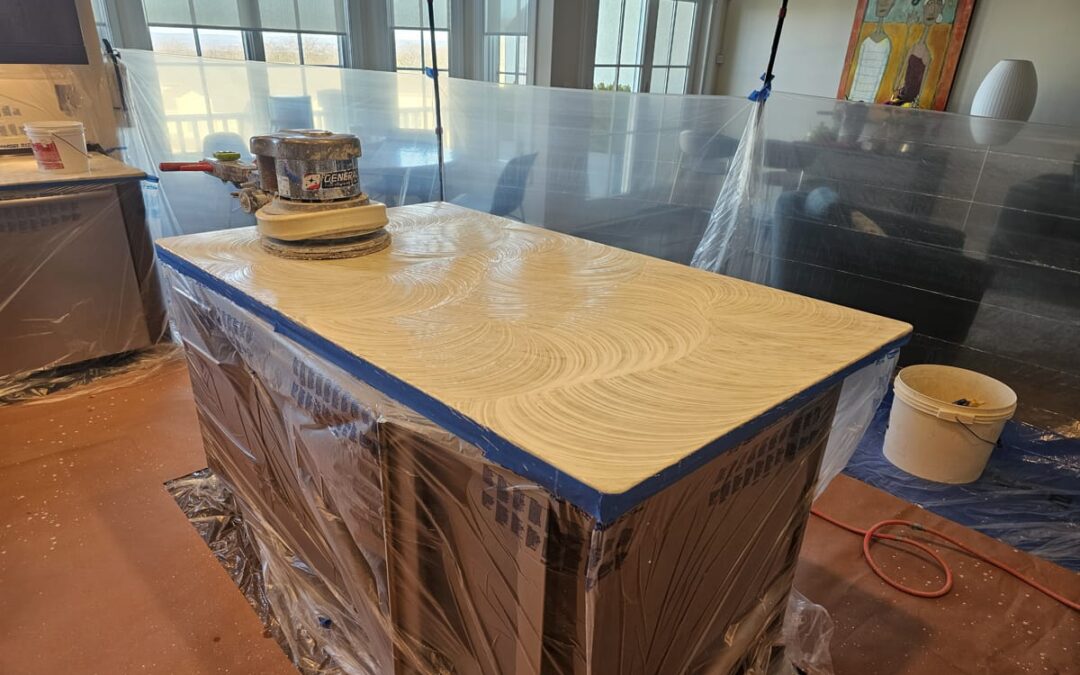
Here you will learn how to remove stains from marble countertops and floors. Read on or contact Love Marble Stone & Restoration today! We are New Jersey’s leading stone & marble restoration specialists and can’t wait to hear form you.
Marble Is A Beautiful & Timeless Natural Stone
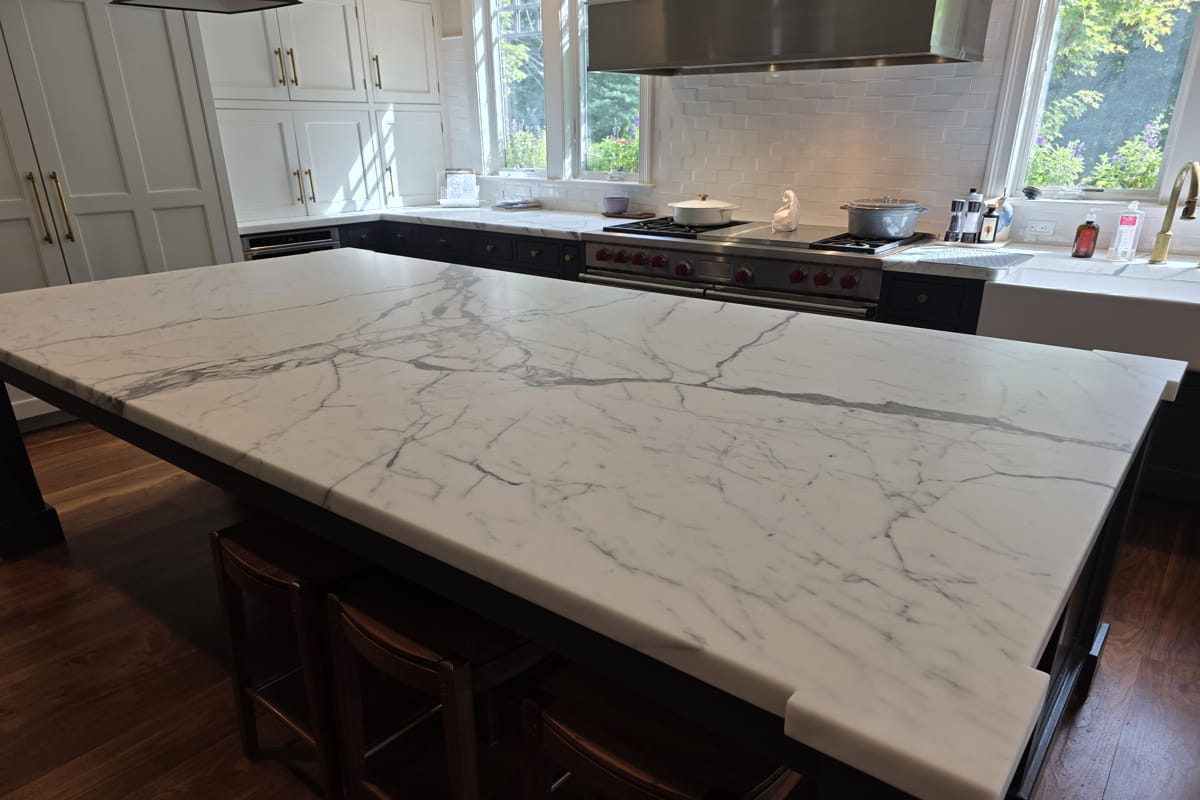
Marble is one of the most beautiful and timeless natural stones used in homes and commercial properties. Its elegant appearance, unique veining, and luxurious finish make it a popular choice for countertops, floors, bathrooms, and entryways. However, marble is also a porous natural stone that can absorb certain liquids, leaving behind stubborn stains and discoloration.
Whether you’re dealing with coffee stains on a marble countertop, water marks on bathroom marble, or discoloration on marble flooring, knowing how to remove stains from marble properly is essential for protecting its appearance and preventing further damage.
At Love Marble Stone & Restoration, we specialize in professional marble cleaning, restoration, refinishing, repair, and marble sealing services throughout New Jersey. Our experienced team helps residential and commercial property owners restore the natural beauty of their marble surfaces.
Why Does Marble Stain So Easily?
Marble is primarily composed of calcium carbonate, making it sensitive to acidic substances and certain cleaning chemicals. Depending on the marble’s composition, finish, and condition, liquids may penetrate the stone and cause discoloration.
Some of the most common causes of marble staining include:
-
Coffee, tea, and wine spills
-
Cooking oils and grease
-
Cosmetics and personal care products
-
Rust from metal objects
-
Water containing minerals or other contaminants
-
Food coloring and organic substances
-
Improper cleaning chemicals
It’s important to understand that not every mark on marble is actually a stain. Some discoloration is caused by chemical reactions that damage the stone’s surface rather than substances absorbed into the marble.
Identifying the type of damage is the first step toward choosing the right cleaning or restoration method.
Understanding the Difference Between Marble Stains and Etching
Before attempting to remove stains from marble, determine whether the surface is stained or etched.
Marble stains occur when substances penetrate the stone and cause discoloration beneath the surface. These marks may appear darker or have a noticeable color, depending on what caused them.
Marble etching occurs when acidic substances react with the calcium carbonate in marble, altering the surface finish. Etching often appears as cloudy spots, dull patches, or rings, particularly on polished marble.
Common causes of marble etching include lemon juice, vinegar, wine, and acidic household cleaners.
Unlike absorbed stains, etch marks generally cannot be removed through routine cleaning. They may require professional marble honing, polishing, or refinishing to restore a consistent finish.
PRO TIP: Learn how to remove scratches from marble here.
1. How to Remove Coffee and Tea Stains From Marble
Coffee and tea are common causes of discoloration on marble kitchen countertops, tabletops, and commercial surfaces.
When spills remain on marble for extended periods, pigments and other substances may penetrate the stone.
To address fresh coffee or tea spills:
-
Blot the liquid immediately using a clean, soft cloth.
-
Clean the affected area with a pH-neutral cleaner specifically designed for natural stone.
-
Rinse gently with clean water.
-
Dry the surface thoroughly with a microfiber cloth.
If discoloration remains, the stain may have penetrated beneath the surface.
Some organic stains can be treated with specialized stone poultices, but the appropriate product depends on the stone and stain. Improper treatment may worsen discoloration or damage the marble.
Persistent stains should be evaluated by a professional marble restoration company.
2. How to Remove Oil and Grease Stains From Marble
Oil-based stains frequently occur on marble kitchen countertops, bathroom vanities, and other surfaces exposed to cooking products, lotions, and cosmetics.
Because oils can penetrate porous stone, these stains often appear as darkened patches that remain even after the surface has been cleaned.
Start by gently cleaning the affected area with a stone-safe cleaning solution to remove surface residue.
For absorbed oil stains, a professionally formulated poultice may help draw contamination from the stone.
However, some oil stains require repeated treatment, and deeply absorbed substances may be difficult to remove completely.
Avoid using household degreasers, abrasive powders, or harsh chemical cleaners unless they are specifically approved for the marble surface.
Professional marble stain removal can be beneficial when oil or grease stains cover larger areas or have been present for an extended period.
3. How to Remove Water Stains From Marble
Water marks are particularly common on marble bathroom countertops, shower walls, floors, and kitchen surfaces.
However, what appears to be a water stain may have several different causes.
Temporary darkening may result from moisture absorbed into the stone. In other cases, mineral deposits from hard water may leave visible residue on the surface.
Water-related discoloration can also occur when moisture becomes trapped beneath stone flooring or around improperly sealed joints.
For minor surface marks, use a soft cloth and a pH-neutral natural stone cleaner. Rinse carefully and dry the surface thoroughly.
If the marble remains dark after sufficient drying time, further investigation may be necessary.
Avoid using vinegar, acidic bathroom cleaners, or conventional limescale removers on marble. These products can chemically damage the stone.
Persistent moisture problems should be addressed before attempting extensive stain removal or restoration.
4. How to Remove Rust Stains From Marble
Rust stains are among the most challenging types of discoloration to remove from marble.
They often develop when metal objects remain in contact with damp stone surfaces.
Common sources include metal furniture legs, shaving cream cans, bathroom accessories, and iron-containing fixtures.
Rust stains typically appear orange, brown, or reddish.
Unlike ordinary dirt, rust contamination may penetrate the stone and cannot always be removed through standard cleaning.
Certain rust-removal products contain acids or other ingredients that can damage marble.
For this reason, homeowners should avoid using general-purpose rust removers without confirming their compatibility with natural stone.
Professional marble restoration specialists can evaluate the source of the rust and determine whether specialized stain treatment is appropriate.
Some rust stains, particularly those originating from minerals within the stone itself, may be permanent.
5. How to Remove Wine and Food Stains From Marble
Red wine, fruit juice, sauces, and other pigmented food products can leave noticeable marks on marble countertops and dining surfaces.
The risk of staining increases when spills remain untreated or the stone has inadequate stain protection.
Begin by blotting spills immediately rather than spreading the liquid across the countertop.
Next, clean the area with a manufacturer-approved natural stone cleaner and dry it thoroughly.
If a stain remains, a specialized treatment may be necessary.
Remember that acidic foods and beverages can cause both staining and etching. Removing absorbed pigments will not necessarily repair the dull surface marks caused by acids.
When marble exhibits both discoloration and surface damage, professional refinishing may be required.
6. Avoid Common Mistakes When Cleaning Stained Marble
Using the wrong cleaning techniques can cause more damage than the original stain.
Many conventional household cleaners contain ingredients that are unsuitable for marble.
Avoid the following when cleaning marble surfaces:
-
Vinegar or lemon juice
-
Acidic bathroom and toilet cleaners
-
Abrasive powders and scouring pads
-
Unapproved rust removers
-
Harsh multipurpose cleaning solutions
-
Excessive scrubbing
-
Unverified DIY stain-removal mixtures
Never assume that a product labeled safe for tile or countertops is appropriate for natural marble.
Using a pH-neutral cleaner formulated for natural stone is generally the safest approach for routine maintenance.
When dealing with significant staining, professional assessment can help prevent unnecessary surface damage.
7. When Does Marble Stain Removal Require Professional Restoration?
While minor surface contamination may respond to routine cleaning, certain marble stains require specialized equipment, products, and restoration techniques.
Professional marble restoration may be necessary when:
-
Stains have penetrated deeply into the stone.
-
Marble has widespread discoloration.
-
Etching has damaged the polished finish.
-
Scratches and stains appear together.
-
Previous cleaning attempts have caused damage.
-
Marble floors have become dull and uneven in appearance.
Depending on the condition of the stone, restoration services may include deep cleaning, stain treatment, honing, polishing, and refinishing.
Professional marble polishing can restore shine to marble that has become dull from surface wear or etching.
Honing may be recommended when deeper surface imperfections require correction.
A qualified stone restoration specialist can determine the most appropriate treatment based on the marble’s condition and finish.
8. How to Prevent Future Marble Stains
Preventive maintenance is one of the most effective ways to preserve marble countertops and floors.
Although marble requires special care, several simple practices can help reduce the likelihood of permanent staining.
Clean Spills Immediately
Promptly blot coffee, wine, oil, and other liquids before they have an opportunity to penetrate the stone.
Use Marble-Safe Cleaning Products
Choose pH-neutral cleaning products specifically formulated for natural stone.
Protect Marble Countertops
Use coasters, trays, and protective mats beneath beverages, cosmetics, and frequently used kitchen products.
Maintain Marble Floors
Regularly remove dirt and abrasive debris that can damage polished surfaces.
Schedule Professional Marble Sealing
Many marble surfaces benefit from professional application of a penetrating stone sealer.
Sealing can help reduce the absorption of certain liquids, providing additional time to clean spills before stains develop.
However, marble sealers do not make surfaces completely stainproof and generally do not prevent acid etching.
The appropriate sealing schedule depends on the marble’s porosity, usage, location, and the condition of the existing sealer.
Professional Marble Stain Removal and Restoration in New Jersey
Marble stains can be frustrating, especially when they affect expensive countertops, floors, or other prominent surfaces. Fortunately, many types of discoloration can be improved or removed with the proper products and professional restoration techniques.
At Love Marble Stone & Restoration, we provide professional marble restoration, repair, refinishing, polishing, and sealing services throughout New Jersey.
Whether you’re dealing with stubborn stains on marble countertops, dull marble flooring, etch marks, or worn natural stone surfaces, our team can evaluate the condition of your marble and recommend an appropriate restoration solution.
Our goal is to help homeowners, businesses, and commercial property managers preserve the beauty and longevity of their natural stone surfaces.
Contact Love Marble Stone & Restoration today to request an estimate for professional marble stain removal and restoration services in New Jersey.