


Why Do We Love Marble So Much?
Marble has captivated people for thousands of years. From ancient monuments and Renaissance sculptures to luxury kitchens, elegant bathrooms, and modern architectural masterpieces, this beautiful natural stone has remained a symbol of artistry, sophistication, and timeless style.
But why do we love marble so much? What makes it so desirable when countless other building and decorative materials are available?
The answer goes beyond its luxurious appearance. Marble offers something unique: natural veining, distinctive colors, a fascinating geological history, and a sense of character that manufactured surfaces cannot replicate exactly. Every piece tells a different story, shaped by natural processes over millions of years.
For homeowners, designers, architects, and stone restoration professionals, marble is more than an attractive surface. It is a material that brings beauty, personality, and lasting character into everyday spaces.
At Love Marble Stone & Restoration, our appreciation for marble is reflected in the work we do to preserve and restore this remarkable natural stone. Here are eight reasons why marble continues to inspire homeowners and businesses throughout New Jersey, New York City, and beyond.
1. The Timeless Beauty of Natural Marble
One of the biggest reasons people love marble is its timeless appearance. Unlike materials that become closely associated with a particular design trend, marble has remained popular across different architectural periods and interior styles.
Its natural veining, distinctive mineral patterns, and wide variety of colors create an elegant appearance that works beautifully in both traditional and contemporary environments.
White marble with soft gray veins can create a bright, sophisticated kitchen, while darker marble varieties can add depth and drama to a bathroom, fireplace surround, or decorative wall.
Marble’s appearance is also influenced by lighting. Natural sunlight can reveal subtle color variations, while warm interior lighting may emphasize the depth and movement of its veining.
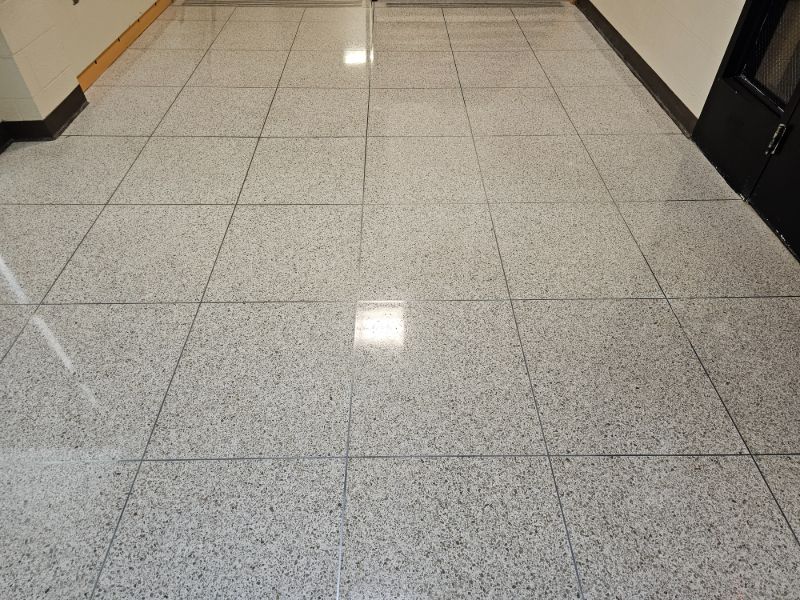
When marble is professionally polished, its reflective finish can make rooms appear brighter and emphasize the stone’s natural characteristics.
This combination of elegance, versatility, and visual interest explains why marble continues to appeal to homeowners and designers across generations.
2. Marble Can Transform the Appearance of Any Room
Another reason we love marble is its ability to become a defining feature in residential and commercial interiors.
Whether used on a kitchen island, bathroom vanity, staircase, or entrance floor, marble can establish the visual character of an entire space.
Marble in Kitchens
Marble countertops and kitchen islands are admired for their elegant appearance and natural veining. They can complement cabinetry, metal fixtures, wood finishes, and a variety of interior design styles.
From traditional kitchens to modern open-concept spaces, marble often becomes a focal point that gives the room a distinctive identity.
Marble in Bathrooms
Marble floors, vanities, walls, and shower surrounds can create a luxurious atmosphere in residential bathrooms.
Its soft colors and natural patterns work well with decorative lighting, glass shower enclosures, and modern fixtures.
Marble in Entryways and Living Spaces
Marble flooring can create a memorable first impression in foyers, hallways, and living areas.
Decorative marble fireplaces and accent walls also provide architectural interest and a sense of permanence.
Because marble works with materials such as wood, glass, and metal, it can complement a wide range of design preferences without overwhelming the surrounding space.
3. Every Piece of Marble Is Naturally Unique
One of marble’s most fascinating characteristics is that every slab has its own natural patterns and variations.
Marble forms when existing carbonate-rich rock undergoes metamorphism, a geological process involving heat and pressure that causes minerals to recrystallize.
According to the U.S. Geological Survey’s explanation of limestone and marble, marble forms when limestone is transformed through natural geological processes.
The resulting mineral structure, along with impurities and other minerals, contributes to marble’s distinctive appearance.
What Makes Marble Slabs Different?
- Natural veining patterns ranging from subtle to dramatic
- Colors including white, gray, cream, brown, black, and green
- Variations in mineral composition
- Distinctive movement and pattern direction
- Different levels of translucency and reflectivity
- Natural characteristics that vary from slab to slab
This individuality is one of the qualities that distinguishes natural marble from manufactured surfaces.
For homeowners who appreciate distinctive materials, choosing marble means introducing a naturally formed design element that cannot be reproduced exactly.
4. Marble Connects Modern Homes With Art and History
Marble has a rich cultural and architectural history that contributes to its lasting appeal.
Throughout history, artists, sculptors, and builders have used marble to create monuments, architectural features, sculptures, and decorative objects.
Its ability to be carved, shaped, and polished made it particularly valuable for artistic and architectural applications.
Today, marble continues to connect contemporary design with centuries of craftsmanship.
A marble staircase, fireplace surround, or polished floor can introduce a sense of classical elegance into a modern home.
For historic properties, preserving existing marble can also help maintain original architectural character.
The National Park Service’s preservation guidance emphasizes the importance of appropriate methods when maintaining and restoring historic building materials.
This connection between natural stone, architecture, and preservation gives marble a significance that extends beyond its appearance alone.
5. Marble Creates a Personal Connection to Our Homes
For many homeowners, marble becomes more than a decorative material. It becomes part of the spaces where everyday life unfolds.
Families gather around marble kitchen islands, prepare holiday meals on stone countertops, and welcome guests through entryways finished with beautiful marble flooring.
Over time, these surfaces become associated with meaningful moments and memories.
Natural marble also develops its own character as it ages. Some homeowners appreciate the subtle patina that develops through everyday use, while others prefer to maintain a more consistent polished finish.
Both approaches reflect personal preferences and the role marble plays in the home.
One of the wonderful characteristics of many marble surfaces is that certain types of wear can be corrected through professional restoration rather than requiring replacement.
When scratches, etching, or dullness begin to affect the stone’s appearance, professional marble refinishing can help restore the desired finish while preserving the existing material.
6. Marble Adds Character to Residential and Commercial Properties
Marble is frequently associated with high-quality design, which contributes to its popularity in luxury homes and commercial spaces.
In residential properties, marble may be used for kitchen countertops, bathroom vanities, floors, staircases, and fireplaces.
In commercial environments, polished marble can create an elegant appearance in hotel lobbies, reception areas, retail stores, and office buildings.
Well-maintained marble surfaces can contribute to a property’s presentation and help create a positive first impression.
The Appeal of Marble in Luxury Homes
Homebuyers who appreciate natural stone may consider marble an attractive design feature, particularly when it complements the home’s overall style and condition.
However, marble does not automatically guarantee an increase in resale value. Its contribution depends on factors such as installation quality, maintenance, buyer preferences, and the broader property market.
For more information, explore our related article, Why Marble Restoration Matters for Luxury Home Resale Value.
Marble in Commercial Interiors
Commercial properties often use marble because it creates an elegant, professional appearance.
High-traffic marble floors require appropriate maintenance to manage surface wear, scratches, and cleaning residue.
Professional restoration can help maintain the appearance of existing stone without automatically replacing large flooring installations.
7. Marble Can Last for Generations With Proper Care
Another reason marble remains so desirable is its potential for long-term use.
When properly installed and maintained, marble can remain an attractive and functional architectural material for many years.
However, marble is not completely resistant to damage. Its calcium carbonate composition makes it susceptible to acidic substances, while abrasive particles may create scratches.
The Natural Stone Institute’s natural stone care recommendations explain why suitable cleaning methods and products are important for preserving marble and other natural stone surfaces.
Common Problems That Affect Marble
- Acid etching caused by lemon juice, vinegar, wine, and certain cleaners
- Scratches from abrasive dirt or sharp objects
- Staining caused by oils, beverages, or other substances
- Dull finishes caused by everyday surface wear
- Chips or cracks resulting from impact or other damage
- Residue buildup from unsuitable cleaning products
Although these problems can affect marble’s appearance, many types of surface damage can be improved through professional restoration.
Professional marble polishing can help restore shine, while more extensive honing or refinishing may be appropriate for certain scratches and etched areas.
For homeowners considering whether to restore or replace damaged marble, our guide to marble restoration versus replacement explains important considerations.
8. Marble Rewards Us With Its Beauty When Properly Maintained
Part of appreciating marble is understanding how to care for it properly.
Routine maintenance can help preserve the stone’s appearance and reduce the likelihood of avoidable surface damage.
Marble care does not need to be complicated, but it does require suitable cleaning products and preventative habits.
Essential Marble Maintenance Tips
- Clean surfaces using pH-neutral products formulated for natural stone.
- Avoid vinegar, lemon-based cleaners, and acidic household products.
- Wipe up spills promptly, especially acidic liquids and oils.
- Use coasters beneath beverages and cutting boards during food preparation.
- Place protective mats near entrances to reduce abrasive dirt.
- Use felt pads beneath furniture to help prevent scratches.
- Dust mop marble floors regularly.
- Arrange professional restoration when scratches, etching, or dullness require attention.
Professional marble cleaning can help remove accumulated dirt and residue, while restoration treatments may be necessary when the stone’s finish has been physically or chemically damaged.
Does Marble Need to Be Sealed?
Some marble surfaces benefit from compatible penetrating sealers that reduce liquid absorption and improve stain resistance.
However, not every marble surface requires the same sealing treatment or maintenance schedule.
Professional marble sealing may be recommended depending on the stone’s absorbency, existing protection, and intended use.
Sealing does not prevent acid etching, surface scratches, or every type of staining.
A professional assessment can help determine whether sealing is appropriate and when additional treatment may be needed.
Why New Jersey Homeowners Love Marble
Throughout New Jersey, marble is featured in traditional homes, luxury residences, condominiums, and contemporary interiors.
From Springfield and Summit to Princeton, Hoboken, and Jersey City, homeowners appreciate marble for its natural beauty and ability to complement different architectural styles.
Marble flooring can enhance a formal entryway, while a marble kitchen island can become the centerpiece of an open-concept living space.
Bathroom vanities, shower walls, fireplaces, and decorative stone features also benefit from marble’s distinctive appearance.
New Jersey’s seasonal weather introduces additional maintenance considerations, particularly for marble floors near exterior entrances.
During winter, road salt, grit, and moisture may be tracked indoors, making suitable entrance mats and regular cleaning especially important.
For existing marble that has developed scratches, etching, or dull finishes, professional marble restoration in New Jersey can help improve its appearance and preserve the original stone.

Why New York City Residents and Businesses Appreciate Marble
New York City is known for its diverse architecture, historic buildings, and sophisticated interior design.
Marble is a natural fit for many of these environments, from Manhattan condominiums and Brooklyn brownstones to luxury hotels and commercial office buildings.
In residential interiors, marble countertops, bathrooms, and decorative features can create a sense of elegance even when space is limited.
In commercial buildings, marble floors and architectural details can establish a memorable impression in entrances, reception areas, and lobbies.
However, high foot traffic and everyday use can gradually affect polished marble surfaces.
Professional cleaning, polishing, and restoration can help preserve the appearance of these features while maintaining the character of the existing stone.
This balance of natural beauty, architectural versatility, and restoration potential is one reason marble remains a popular material in New York City.
Why Professional Marble Restoration Helps Preserve the Stone We Love
Marble’s natural beauty is one of its greatest qualities, but maintaining that appearance sometimes requires more than routine cleaning.
Over time, scratches, staining, acidic etching, and worn finishes can affect marble floors, countertops, bathrooms, and decorative features.
Professional restoration specialists evaluate the condition of the stone and recommend appropriate treatments based on the material and extent of damage.
Restoration services may include:
- Professional marble cleaning
- Honing to reduce surface scratches and etching
- Polishing to restore the desired finish
- Grinding for certain deeper surface irregularities
- Minor chip and edge repairs
- Stain treatments where appropriate
- Sealing when additional stain resistance is suitable
The goal is to preserve the existing marble whenever practical while improving its appearance and supporting appropriate long-term maintenance.
Choosing a qualified restoration company can help homeowners and businesses better understand the condition of their stone and avoid unnecessary treatments.
Keep the Marble You Love Beautiful With Love Marble Stone & Restoration
There are countless reasons to love marble. Its distinctive veining, natural colors, rich history, and timeless elegance make it one of the most admired architectural materials in the world.
Whether marble is featured in a family kitchen, a luxurious bathroom, a grand entryway, or a commercial lobby, it creates a lasting impression and adds character to the surrounding space.
At Love Marble Stone & Restoration, we appreciate the beauty of natural marble and specialize in helping homeowners and businesses preserve their existing stone surfaces.
We provide professional marble cleaning, polishing, honing, refinishing, sealing, grinding, and restoration services throughout New Jersey and New York City.
Whether your marble floors have lost their shine, your countertops have developed etching, or your decorative stone features require professional attention, our team can evaluate the condition of the marble and recommend suitable restoration options.
Contact Love Marble Stone & Restoration today to request a consultation and learn how professional marble care can help preserve the natural beauty of the stone you love.
Podcast: Play in new window | Download