

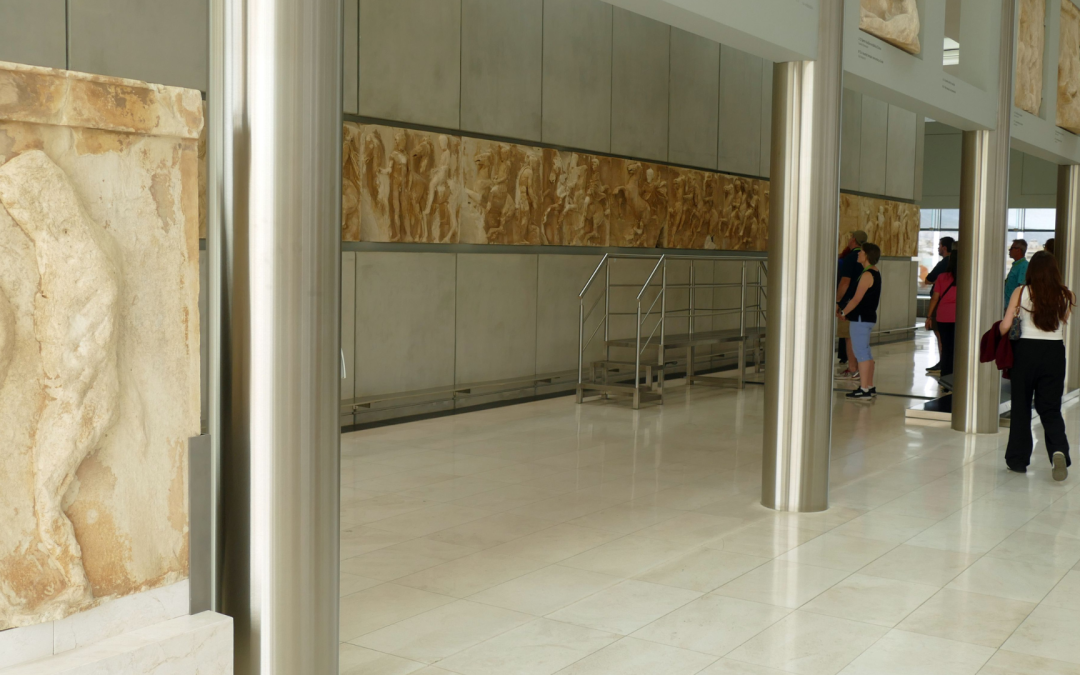
Commercial Marble Restoration in NJ: The Complete Guide for Businesses
Marble floors and natural stone surfaces add elegance and sophistication to commercial properties throughout New Jersey. From luxury hotels and corporate offices to retail stores and apartment buildings, marble helps create a professional appearance that leaves a lasting impression on visitors.
However, daily foot traffic, abrasive dirt, spills, and improper cleaning can gradually damage these surfaces. Over time, marble may develop scratches, stains, acid etching, dull spots, and uneven finishes.
Fortunately, professional commercial marble restoration in NJ can help restore the appearance of existing stone without automatically requiring expensive replacement.
Depending on the condition of the marble, restoration may involve professional cleaning, honing, polishing, grinding, repairs, or sealing.
At Love Marble Stone & Restoration, we provide professional marble cleaning, polishing, refinishing, sealing, grinding, and restoration services for commercial properties throughout New Jersey and New York City.
In this guide, we’ll explain how commercial marble restoration works, which businesses benefit from it, what affects restoration costs, and how facility managers can plan projects around daily business operations.
Why Marble Is Popular in New Jersey Commercial Buildings
Marble has long been used in commercial architecture because of its natural beauty, distinctive veining, and ability to complement many interior designs.
For example, polished marble flooring can create an impressive entrance in a corporate office. Meanwhile, marble countertops and decorative walls add an elegant appearance to hotels, restaurants, and retail properties.
Unlike manufactured flooring materials, natural marble features unique variations in color and pattern.
Additionally, many marble surfaces can be professionally refinished when scratches or wear affect their appearance.
Benefits of Marble in Commercial Properties
- Elegant appearance for lobbies and reception areas
- Natural colors and distinctive veining
- Compatibility with modern and traditional interiors
- Potential for professional refinishing and polishing
- Suitable applications in many commercial spaces
- Long service life with proper care
- Attractive features for high-visibility areas
However, marble is not immune to damage. Its appearance depends on proper maintenance, especially in buildings with heavy pedestrian traffic.
As a result, commercial property managers should consider professional stone care as part of their building maintenance plans.
Common Marble Problems in Commercial Properties
Commercial buildings often experience more concentrated foot traffic than residential properties.
Consequently, abrasive particles, spills, furniture movement, and cleaning products can gradually affect marble flooring and other stone surfaces.
Scratches From Heavy Foot Traffic
Sand, dirt, and other abrasive particles can scratch marble when tracked indoors.
For example, an office lobby may develop visible traffic patterns where employees and visitors repeatedly walk across the same areas.
Furniture movement and improper cleaning equipment can also cause surface damage.
Professional honing or polishing may help reduce certain scratches and restore a more consistent finish.
Acid Etching
Marble contains calcium carbonate, which reacts with acidic substances.
Therefore, spills involving acidic beverages, foods, or cleaning products can leave dull marks known as etching.
Unlike ordinary dirt, etching changes the stone’s surface. As a result, standard cleaning cannot usually remove these marks.
Instead, professional refinishing may be necessary.
Stains and Discoloration
Some marble surfaces can absorb liquids, allowing oils and other substances to create stains.
However, not all discoloration is caused by staining. For example, dark patches may indicate moisture problems, while cloudy areas may result from etching or cleaning residue.
Correctly identifying the cause helps professionals determine the appropriate treatment.
Dull or Uneven Marble Finishes
Commercial marble floors can develop dull pathways in heavily used areas while less frequently used sections retain their original shine.
Consequently, the flooring may appear uneven or poorly maintained.
Professional marble polishing and refinishing may help restore a more consistent appearance.
Cracks, Chips, and Damaged Edges
Marble flooring, countertops, and staircases may develop chips or cracks following impacts or movement.
Some minor defects can be repaired using suitable stone repair materials.
However, loose tiles, extensive cracks, and unstable flooring require investigation before cosmetic restoration begins.
What Is Commercial Marble Restoration?
Commercial marble restoration involves professional techniques designed to improve worn or damaged marble surfaces.
Unlike routine janitorial cleaning, restoration can address scratches, etching, dullness, and certain types of surface damage.
First, a marble restoration specialist evaluates the stone. Next, the appropriate cleaning, polishing, honing, grinding, or repair methods are selected.
For example, marble that appears dull because of cleaning residue may only require deep cleaning. On the other hand, flooring with visible scratches and etching may benefit from honing and polishing.
Importantly, not every project requires extensive grinding or sealing.
The goal is to select treatments appropriate for the existing marble rather than perform unnecessary work.
Commercial Marble Restoration Services in New Jersey
Professional commercial marble restoration in NJ can involve several specialized services.
Understanding the differences helps business owners and facility managers choose suitable treatments for their properties.
Commercial Marble Cleaning
Professional marble cleaning removes dirt, cleaning residue, and certain surface contaminants using methods appropriate for natural stone.
For instance, marble flooring that has become cloudy because of cleaning product buildup may improve through professional cleaning.
However, cleaning alone cannot correct scratches or etching that have affected the stone’s finish.
Commercial Marble Honing
Honing uses specialized abrasives to refine the marble surface.
Depending on the condition of the stone, this treatment may reduce scratches, etching, and other imperfections.
Additionally, honing can create a smooth matte or satin finish.
Professional marble refinishing often includes honing when surfaces need more than routine polishing.
Commercial Marble Polishing
Polishing helps achieve the desired shine on suitable marble surfaces.
For example, worn hotel lobby floors may benefit from polishing after necessary surface preparation.
However, the recommended finish depends on the existing stone and the property’s maintenance requirements.
Commercial Marble Grinding
Some commercial floors develop deeper scratches or surface irregularities that require more extensive treatment.
Professional marble grinding uses appropriate abrasives to remove a controlled amount of stone and improve suitable surface problems.
However, grinding is not appropriate for every marble floor.
Furthermore, loose tiles and underlying structural problems require separate repairs.
Marble Crack and Chip Repair
Localized damage may be addressed with specialized stone repair materials.
For example, a chipped marble edge may be repaired and refinished to improve its appearance.
Nevertheless, repair results depend on the marble’s color, veining, and the extent of damage.
Commercial Marble Sealing
Professional marble sealing may help reduce liquid absorption and improve stain resistance when a compatible penetrating sealer is suitable.
However, sealing does not prevent acid etching, scratches, or every type of stain.
The Natural Stone Institute’s guidance on sealing natural stone explains why sealing requirements vary.
Therefore, sealing should be recommended based on the stone’s actual condition and characteristics.
The Commercial Marble Floor Restoration Process
Professional commercial marble floor restoration in NJ typically begins with an inspection and a project plan.
However, the exact process varies depending on the surface condition, project size, and desired finish.
Step 1: Inspection and Assessment
First, the restoration specialist examines the marble for scratches, etching, stains, cracks, and other concerns.
This evaluation helps determine which treatments are appropriate.
Step 2: Project Planning and Preparation
Next, the company works with building management to discuss scheduling, access, and operational restrictions.
Additionally, surrounding furniture, walls, and flooring may require protection.
Step 3: Professional Cleaning
The marble is cleaned using products suitable for natural stone.
This process removes dirt and residue while preparing the surface for any necessary refinishing.
Step 4: Grinding or Honing When Necessary
If the marble has scratches, etching, or suitable surface irregularities, grinding or honing may be recommended.
However, lightly worn flooring may not require these treatments.
Step 5: Marble Polishing
When a polished finish is desired, technicians refine the surface to achieve the appropriate shine.
The number of polishing stages depends on the existing finish and condition.
Step 6: Repairs and Stain Treatment
Depending on the project, localized chips, certain cracks, or stains may also need treatment.
However, major structural problems require separate evaluation.
Step 7: Sealing and Final Inspection
Some marble surfaces may benefit from an appropriate penetrating sealer.
Finally, the completed work is reviewed, and property managers can receive maintenance recommendations.
Which Commercial Properties Benefit From Marble Restoration?
Many types of businesses in New Jersey have marble floors, countertops, walls, or decorative features.
However, each property has different maintenance needs depending on how the space is used.
Hotels and Hospitality Properties
Hotels frequently feature marble flooring in entrances, lobbies, reception areas, and shared spaces.
Because these areas receive frequent foot traffic, scratches and dull finishes can become noticeable over time.
Professional restoration may help improve the appearance of suitable existing marble.
Corporate Office Buildings
Office buildings often feature marble in lobbies, hallways, and reception areas.
For example, flooring near elevators and entrances may develop worn traffic patterns.
Professional cleaning, honing, or polishing may help address these conditions.
Luxury Apartment Buildings
Many apartment buildings and condominiums feature marble in shared entrances, lobbies, and hallways.
Property managers may benefit from scheduled maintenance and restoration when visible surface wear develops.
Retail Stores and Shopping Centers
Marble can create an elegant appearance in upscale retail spaces.
However, regular pedestrian traffic and tracked-in debris may gradually damage the finish.
Professional restoration may improve affected surfaces and help preserve existing flooring.
Restaurants and Event Venues
Restaurants, banquet halls, and event spaces may feature marble countertops, floors, or decorative stone surfaces.
Because these areas experience spills and frequent use, suitable cleaning and maintenance are especially important.
Healthcare and Other Commercial Facilities
Some healthcare facilities, banks, educational properties, and other commercial buildings also contain decorative marble.
However, the restoration approach must account for each property’s operating requirements, access restrictions, and cleaning standards.
How to Minimize Business Disruption During Marble Restoration
For many commercial property managers, minimizing disruption is an important part of planning a restoration project.
After all, employees, customers, tenants, and visitors may need access to the building throughout the day.
Fortunately, proper planning can help reduce unnecessary interruptions.
Schedule Around Business Operations
Some properties may benefit from evening, weekend, or other lower-traffic scheduling.
However, availability should be discussed with the restoration company.
Complete Work in Sections
For larger buildings, completing restoration in separate areas may help maintain access to unaffected spaces.
For example, a hotel may need to coordinate lobby restoration around guest arrivals.
Discuss Drying and Curing Times
Some restoration treatments and repair materials require drying or curing periods.
Therefore, facility managers should ask when treated areas can safely return to normal use.
Protect Surrounding Surfaces
Nearby walls, furniture, carpeting, and other finishes may require protection.
Additionally, ask how equipment, residue, and cleanup will be managed.
Communicate With Building Occupants
Offices, hotels, and apartment buildings may benefit from advance notice about temporary work areas.
As a result, employees, visitors, and tenants can plan around any access restrictions.
Commercial Marble Restoration vs. Replacement
When marble flooring becomes scratched, dull, or damaged, property managers may wonder whether restoration or replacement is the better option.
In many situations, restoration is worth considering when the existing stone remains structurally sound.
However, the correct choice depends on the condition of the marble.
| Consideration | Marble Restoration | Marble Replacement |
|---|---|---|
| Best For | Scratches, etching, dullness, and suitable repairable damage | Extensive breakage or irreparable damage |
| Existing Stone | Preserves suitable original marble | Removes and replaces damaged stone |
| Project Scope | Cleaning, honing, polishing, or repairs | Removal, preparation, and new installation |
| Disruption | Depends on the restoration process | Depends on demolition and installation requirements |
| Cost | May be lower for suitable restoration projects | Includes new materials and installation work |
| Appearance | Improves existing marble | Introduces replacement stone that may vary in appearance |
For example, marble with surface scratches and dull traffic patterns may respond well to professional refinishing.
However, loose tiles, unstable substrates, and major damage may require additional work.
For more information, read our guide to marble restoration vs. replacement.
Benefits of Professional Commercial Marble Restoration in NJ
Professional restoration can offer several advantages for New Jersey commercial property owners and managers.
Improve the Appearance of Commercial Interiors
Clean, well-maintained marble helps create an attractive appearance in entrances, reception areas, and other visible spaces.
For example, suitable polishing methods can improve the shine of worn marble floors.
Preserve Existing Natural Stone
When marble remains stable and repairable, restoration may help preserve original flooring and decorative features.
This can be especially valuable for buildings with distinctive stone patterns.
Avoid Unnecessary Replacement
Replacing marble may involve removing existing flooring, purchasing new stone, and completing installation.
In comparison, restoration may offer a practical option when damage is mainly cosmetic.
Create a More Consistent Finish
Commercial floors can develop uneven wear patterns over time.
Professional refinishing may help improve the consistency of suitable stone surfaces.
Support Long-Term Maintenance Planning
Restoration specialists can provide guidance on cleaning, monitoring wear, and planning future stone care.
However, marble restoration does not guarantee increased property value, permanent stain protection, or improved slip resistance.
How Often Should Commercial Marble Floors Be Restored?
There is no fixed restoration schedule that applies to every commercial marble floor.
Instead, the frequency depends on foot traffic, cleaning methods, existing wear, and the condition of the finish.
For example, a busy hotel entrance may develop scratches more quickly than a private office.
However, regular cleaning does not mean that extensive restoration is always necessary.
Property managers should distinguish between routine maintenance, polishing, and full restoration.
Commercial Marble Maintenance Priorities
| Property Type | Common Concern | Recommended Approach |
|---|---|---|
| Hotels | Heavy lobby and entrance traffic | Regular cleaning and monitoring of worn finishes |
| Office Buildings | Dull areas near entrances and elevators | Stone-safe cleaning and professional assessments when needed |
| Retail Properties | Tracked-in dirt and pedestrian traffic | Frequent debris removal and inspections |
| Restaurants | Spills and cleaning-product exposure | Prompt spill removal and suitable stone care |
| Apartment Buildings | Wear in shared entrances | Routine maintenance and refinishing when necessary |
Ultimately, the condition of the marble should determine when restoration is scheduled.
How Much Does Commercial Marble Restoration Cost in NJ?
Commercial marble restoration pricing varies depending on surface area, existing damage, treatments required, and property access.
For example, professional cleaning alone generally involves a different scope of work than grinding and honing a heavily worn marble floor.
Additionally, large commercial buildings may have scheduling requirements that affect labor and project planning.
Factors Affecting Marble Restoration Costs
| Cost Factor | How It Affects Pricing |
|---|---|
| Surface Area | Larger areas require more labor and equipment time. |
| Existing Damage | Deep scratches and extensive etching may require additional treatment. |
| Restoration Method | Cleaning, polishing, honing, and grinding involve different amounts of work. |
| Repairs | Cracks, chips, and damaged areas may require specialized materials. |
| Desired Finish | High-gloss finishes may require additional polishing stages. |
| Building Access | Furniture, elevators, stairs, and restricted areas may affect preparation. |
| Scheduling | After-hours work may require additional coordination. |
| Additional Treatments | Stain treatment and appropriate sealing can affect the total cost. |
Because commercial properties vary, general online pricing may not accurately reflect the required work.
Therefore, property managers should request a written estimate based on an assessment of the stone.
For additional information, read our 2026 marble floor restoration cost guide.
How to Choose a Commercial Marble Restoration Company in NJ
Choosing the right restoration company is important for commercial properties with large or heavily used marble surfaces.
Before hiring a contractor, consider its experience, methods, and ability to coordinate projects around normal business operations.
Look for Commercial Restoration Experience
Companies with relevant commercial experience may be better prepared to manage large areas, busy entrances, and scheduling restrictions.
Therefore, ask whether the provider has completed similar projects.
Review Completed Projects
Before-and-after photographs can help demonstrate experience with different marble finishes and restoration needs.
For example, property managers may want examples involving hotel lobbies or office floors.
Ask About Equipment and Techniques
Professional marble restoration often requires specialized polishing equipment and diamond abrasives.
However, contractors should also explain why each treatment is appropriate.
Verify Insurance and Applicable Requirements
Ask for proof of appropriate insurance and verify whether any licensing or registration requirements apply to the proposed work.
Requirements may differ based on the project.
Request a Detailed Written Estimate
A commercial restoration estimate should describe the proposed services, expected finish, schedule, and important limitations.
Additionally, ask how the company will protect surrounding surfaces and manage temporary access restrictions.
Discuss Maintenance Recommendations
Finally, ask which cleaning methods and products are recommended after restoration.
Proper maintenance can help preserve the appearance of the finished stone.
For more guidance, read our article on choosing marble restoration services in New Jersey.
Commercial Marble Floor Maintenance Tips
Professional restoration can improve marble flooring, but everyday maintenance remains essential.
For example, tracked-in dirt and grit can cause new scratches when people walk across polished floors.
Additionally, acidic cleaners may cause etching even after professional restoration.
Recommended Marble Maintenance Practices
- Dust mop regularly to remove abrasive dirt and grit.
- Use pH-neutral cleaners suitable for marble.
- Avoid acidic and abrasive cleaning products.
- Clean spills promptly.
- Place entrance mats in high-traffic areas.
- Use protective pads beneath furniture.
- Avoid dragging heavy objects across marble flooring.
- Inspect busy areas for scratches and worn finishes.
- Address loose tiles, cracks, and moisture problems promptly.
- Ask a stone specialist whether sealing is appropriate.
- Arrange professional restoration when visible damage develops.
For more information, review the Natural Stone Institute’s stone care recommendations.
Additionally, explore our guide to caring for marble flooring.
Commercial Marble Restoration Throughout New Jersey
Commercial properties across New Jersey may benefit from professional marble restoration when existing surfaces become scratched, etched, stained, or dull.
For example, office buildings in Newark and Jersey City may require marble floor polishing in reception areas and entrances.
Meanwhile, luxury apartment buildings, hotels, and retail properties in communities such as Morristown, Summit, Short Hills, and Princeton may need restoration for decorative marble and heavily used floors.
At Love Marble Stone & Restoration, we provide professional marble and natural stone care for residential and commercial properties throughout New Jersey and New York City.
Our services include cleaning, honing, polishing, grinding, refinishing, sealing, and suitable repairs.
We focus on improving existing stone surfaces through treatments tailored to their condition.
Frequently Asked Questions About Commercial Marble Restoration in NJ
What Is Commercial Marble Restoration?
Commercial marble restoration involves professional cleaning, refinishing, polishing, and suitable repairs designed to improve existing marble surfaces in business properties.
The treatments depend on the condition and finish of the stone.
Can Professional Restoration Remove Scratches From Marble Floors?
Many scratches can be reduced or removed through professional honing and polishing.
However, deeper damage may require grinding or additional treatment.
Does Commercial Marble Restoration Require Businesses to Close?
Not always. Some projects can be coordinated around normal business operations or completed in sections.
However, temporary access restrictions may be necessary depending on the work.
How Often Should Commercial Marble Floors Be Polished?
There is no universal polishing schedule.
Instead, the appropriate frequency depends on foot traffic, cleaning practices, and the condition of the finish.
Is Marble Restoration Cheaper Than Replacement?
Restoration may be more economical when the existing stone remains stable and damage mainly affects its appearance.
However, severely damaged or unstable marble may require additional repairs or replacement.
Should Commercial Marble Be Sealed After Restoration?
Not always. Some marble surfaces benefit from penetrating sealers that improve stain resistance.
However, sealing does not prevent scratches or acid etching.
How Long Does Commercial Marble Restoration Take?
The duration depends on the floor area, existing damage, accessibility, and treatments required.
A professional inspection provides the best basis for estimating the schedule.
What Should a Commercial Marble Restoration Estimate Include?
A written estimate should identify the proposed treatments, expected finish, areas to be restored, and important limitations.
Additionally, ask whether scheduling, site protection, repairs, and sealing are included.
Choose Love Marble Stone & Restoration for Commercial Marble Restoration in NJ
Marble flooring and decorative stone features help create an attractive appearance in commercial properties throughout New Jersey.
However, heavy foot traffic, scratches, spills, and everyday wear can gradually affect the natural finish.
Professional commercial marble restoration in NJ can help improve existing marble without automatically requiring replacement.
At Love Marble Stone & Restoration, we provide professional marble cleaning, polishing, honing, grinding, refinishing, sealing, and restoration services for commercial properties throughout New Jersey and New York City.
Whether you manage an office building, hotel, retail store, luxury apartment complex, or another commercial facility, our team can evaluate your marble surfaces and recommend suitable restoration methods.
From scratched lobby floors to dull reception areas and worn marble entrances, professional care can help preserve the appearance of your property’s natural stone.
Contact Love Marble Stone & Restoration today to request a consultation and discuss professional commercial marble restoration services in New Jersey.
Podcast: Play in new window | Download