

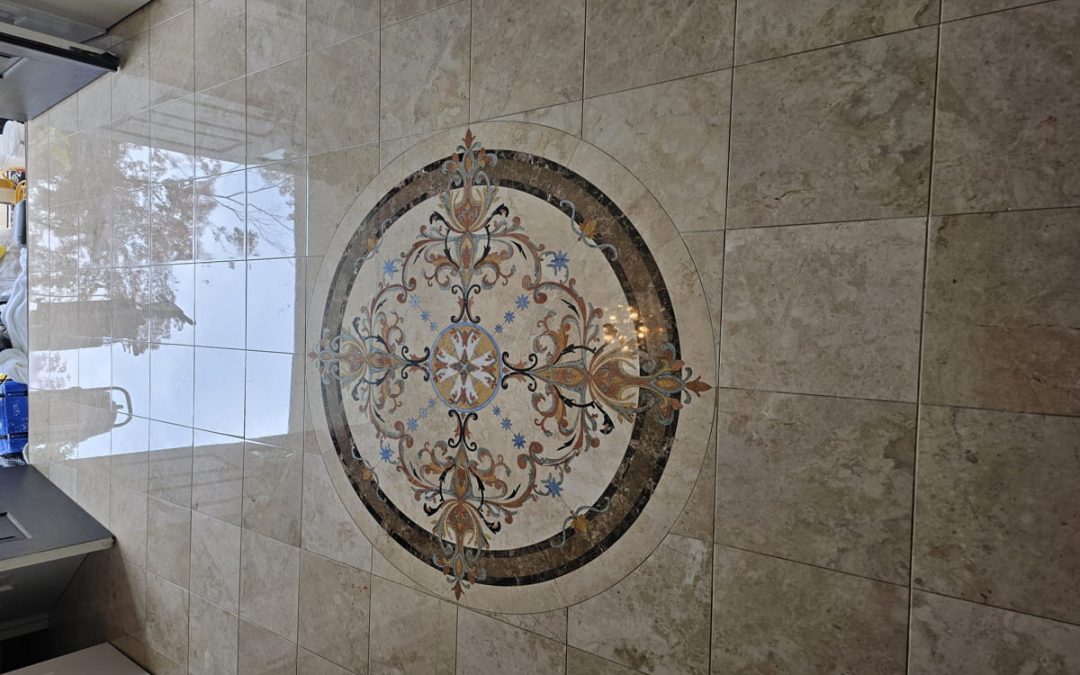
Why Marble Restoration Matters for Luxury Home Resale Value
Luxury homes are known for beautiful materials, elegant design, and careful attention to detail. From grand entryways and polished floors to marble kitchen countertops and bathroom vanities, natural stone plays an important role in creating a high-end appearance.
However, even beautiful marble can show signs of wear over time. Scratches, stains, acid etching, and dull finishes may affect the appearance of floors, countertops, and other stone surfaces.
For homeowners preparing to sell, these imperfections can become especially noticeable during property showings and photography.
That’s why marble restoration before selling a home can be a valuable part of preparing a luxury property for the market. Professional restoration can help improve the appearance of existing stone and present marble features in their best possible condition.
Additionally, restoring suitable marble surfaces may help homeowners avoid replacing expensive natural stone that remains in good condition beneath surface wear.
At Love Marble Stone & Restoration, we provide professional marble cleaning, polishing, refinishing, grinding, sealing, and restoration services throughout New Jersey and New York City.
In this guide, we’ll explore how marble restoration can support a home’s resale presentation, which surfaces deserve attention, and what homeowners should consider before listing their property.
Why Marble Is an Important Feature in Luxury Homes
Marble has long been associated with high-end architecture and interior design. Its natural veining, smooth finish, and distinctive appearance make it a popular choice for luxury properties.
For example, marble flooring can create an elegant entrance, while marble countertops add character to kitchens and bathrooms.
Additionally, each marble slab features natural variations in color and pattern. This gives many stone surfaces a distinctive appearance that manufactured materials may not reproduce exactly.
Common marble features in luxury homes include:
- Grand entryway floors and foyers
- Kitchen countertops and islands
- Bathroom vanities and countertops
- Marble shower walls and floors
- Staircases and landings
- Fireplace surrounds and decorative features
- Living room and hallway flooring
However, the condition of these features matters. Marble that is scratched, etched, or dull may not create the same visual impact as a well-maintained surface.
Therefore, homeowners preparing to sell should consider whether existing stone would benefit from professional cleaning or restoration.
How Marble Restoration Can Support Luxury Home Resale Appeal
Buyers considering luxury properties often pay attention to the quality and condition of visible finishes.
For example, they may notice whether marble floors have a consistent shine or whether kitchen countertops show etched areas around sinks and food preparation spaces.
Professional marble restoration can help address certain forms of surface damage before potential buyers visit the home.
As a result, restored marble may contribute to a cleaner, more polished presentation.
However, restoration does not guarantee a higher selling price. A property’s market value depends on many factors, including location, layout, condition, comparable sales, and buyer demand.
Instead, marble restoration should be viewed as one part of a broader plan to prepare a luxury home for sale.
First Impressions Matter When Selling a Luxury Home
First impressions are especially important when preparing a home for photography, showings, and open houses.
Buyers often form opinions about a property’s condition as they enter the home and move through its main living spaces.
For instance, a polished marble foyer can help create an attractive entrance. Meanwhile, dull flooring or scratched surfaces may draw attention away from the home’s other features.
Therefore, evaluating marble in high-visibility areas before listing can be worthwhile.
Marble Entryways and Foyers
Entryway flooring is among the first surfaces visitors see.
However, these areas also experience frequent foot traffic and tracked-in dirt, which can contribute to scratches and dullness.
Professional marble polishing may help restore the desired shine when the existing stone is suitable for treatment.
Marble Living Room Floors
Large marble floors can have a strong visual impact, especially in homes with open layouts and natural lighting.
Over time, foot traffic and furniture movement may create scratches or uneven wear patterns.
For example, polished marble can appear dull along frequently used pathways while less-used areas retain their original shine.
Professional refinishing may help create a more consistent appearance across these surfaces.
Marble Staircases and Landings
Marble staircases can be distinctive architectural features in luxury homes.
However, stair treads and landings may develop scratches, chips, or worn finishes.
Restoration may improve suitable cosmetic damage. Nevertheless, loose stone, structural movement, or other safety concerns require separate evaluation.
Why Marble Kitchen Countertops Matter to Potential Buyers
Kitchens are highly visible spaces in many luxury homes.
Marble countertops and islands can contribute to the overall design, especially when paired with attractive cabinetry and fixtures.
However, kitchen marble often experiences daily exposure to food spills, cooking oils, and acidic substances.
As a result, countertops may develop etching, discoloration, and fine scratches.
Common Problems With Kitchen Marble
- Acid etching from lemon juice, vinegar, or other foods
- Scratches from everyday use
- Dull areas near sinks and preparation spaces
- Oil stains and other discoloration
- Small chips along countertop edges
- Uneven finishes caused by inappropriate cleaning
Fortunately, professional restoration may improve many common signs of surface wear.
For example, honing can reduce certain scratches and etched areas. Polishing may then help restore the desired finish.
However, deep stains and extensive damage may require additional treatment, and complete removal is not always possible.
For more information, read our guide to kitchen marble restoration services in NYC.
Why Bathroom Marble Restoration Is Important Before Listing
Luxury bathrooms often feature marble floors, vanity tops, shower surrounds, and decorative stonework.
These features can create an elegant, spa-like appearance when properly maintained.
However, bathrooms may develop soap residue, mineral deposits, stains, and damage caused by unsuitable cleaning products.
For example, acidic bathroom cleaners can leave dull etching on marble surfaces.
Additionally, some dark areas may be caused by ongoing moisture problems rather than ordinary surface staining.
Professional marble cleaning may remove suitable types of residue, while refinishing can improve certain damaged finishes.
However, underlying leaks or moisture issues must be addressed separately before cosmetic restoration.
By evaluating bathroom marble before listing, homeowners can identify which surfaces would benefit from professional attention.
Common Marble Problems That Can Affect Home Presentation
Marble can develop several types of damage that affect its appearance.
Understanding these problems can help homeowners determine whether cleaning, polishing, repairs, or more extensive restoration is appropriate.
Scratches and Surface Wear
Marble is softer than some other natural stones, so abrasive particles and heavy objects may scratch its finish.
For example, grit tracked across an entryway can gradually create fine scratches.
Professional honing may reduce or remove certain scratches. However, deeper damage may require additional treatment.
Learn more in our article on how to remove scratches from marble.
Acid Etching
Marble contains calcium carbonate, which reacts with acidic substances.
Consequently, spills involving vinegar, lemon juice, and some household cleaners may create dull marks known as etching.
Unlike ordinary stains, etching changes the stone’s surface.
Therefore, cleaning alone generally cannot correct the damage. Professional honing or refinishing may be needed instead.
Stains and Discoloration
Some marble surfaces can absorb liquids, allowing oils and other substances to cause stains.
However, discoloration may also result from moisture or previous treatments.
As a result, identifying the cause is important before attempting stain removal.
Chips and Cracks
Marble edges, staircases, countertops, and flooring may develop chips or cracks.
Some minor defects can be repaired using compatible stone repair materials.
However, unstable stone and cracks caused by movement require further investigation.
Marble Restoration vs. Replacement Before Selling a Home
When marble becomes damaged, some homeowners assume it must be replaced before selling.
Fortunately, restoration may be an option when the existing stone remains stable and the damage primarily affects its appearance.
For example, scratched marble floors may respond to honing and polishing without needing to remove the original material.
However, severely broken tiles or underlying structural problems may require additional repairs or replacement.
| Consideration | Marble Restoration | Marble Replacement |
|---|---|---|
| Best For | Scratches, etching, dullness, and suitable repairable damage | Extensive breakage or irreparable damage |
| Existing Stone | Preserves suitable original marble | Removes and replaces damaged material |
| Project Scope | Cleaning, honing, polishing, and repairs | Removal, preparation, and installation |
| Cost | May be lower for suitable restoration projects | Includes new materials and installation work |
| Appearance | Improves the existing stone | Introduces replacement stone that may differ in color or veining |
| Scheduling | Depends on surface condition and treatments | Depends on removal and installation requirements |
Before replacing marble, homeowners should consider whether professional restoration could provide an acceptable result.
For a closer comparison, read our guide to marble restoration vs. replacement.
Does Marble Restoration Increase Home Resale Value?
Professional marble restoration may contribute to a home’s overall presentation and perceived condition.
For example, well-maintained floors and countertops can help highlight the quality of existing materials.
Additionally, correcting visible cosmetic damage may reduce concerns about the amount of maintenance a buyer will need to perform after moving in.
However, there is no universal percentage by which marble restoration increases property value.
Resale outcomes depend on factors such as:
- The home’s location and local real estate market
- Recent comparable property sales
- The condition of the entire property
- The quality and style of existing finishes
- The cost and scope of restoration
- Current buyer preferences
- Overall market demand
Therefore, homeowners should avoid assuming that every restoration project will produce a specific financial return.
Instead, consider restoration as a way to improve the condition and presentation of valuable existing stone.
Can Marble Restoration Help a Luxury Home Sell Faster?
Attractive, well-maintained finishes can contribute to a positive impression during property photography and showings.
For example, polished marble flooring may reflect natural light and help showcase an entryway or living space.
Meanwhile, clean countertops and bathroom surfaces can support a more polished overall presentation.
However, marble restoration alone does not guarantee a faster sale or stronger offers.
Pricing, location, marketing, property condition, and buyer demand all influence how quickly a home sells.
Nevertheless, preparing visible marble surfaces before listing may help present the property more effectively.
Which Marble Surfaces Should You Restore Before Selling?
Not every marble surface requires professional restoration before a home is listed.
Instead, homeowners should prioritize the areas that show noticeable wear or play an important role in the home’s presentation.
High-Visibility Marble Entryways
Entryways often make the first impression during property showings.
Therefore, scratched or dull foyer flooring may deserve attention before photography.
Kitchen Countertops and Islands
Kitchen marble can be a major design feature in upscale homes.
Consequently, visible etching, stains, or chipped edges may be worth evaluating before listing.
Primary Bathroom Marble
Bathroom vanity tops, floors, and shower surrounds can influence how buyers perceive the property’s condition.
Professional cleaning or restoration may help improve suitable surface problems.
Large Marble Floor Areas
Large marble floors can make scratches, dullness, and uneven shine especially noticeable.
For example, an open living area with polished marble may benefit from refinishing when traffic patterns interrupt the overall appearance.
Decorative Stone Features
Marble fireplaces, staircases, and decorative surfaces may also deserve attention when they are prominent design elements.
However, the recommended treatment should depend on the stone’s condition rather than its visibility alone.
How to Prepare Marble Surfaces Before Listing a Luxury Home
Homeowners can take several practical steps to evaluate marble before professional photography or showings.
Step 1: Inspect Visible Marble Surfaces
First, examine floors, countertops, vanities, and decorative features for scratches, dullness, stains, and cracks.
Pay particular attention to surfaces in kitchens, entryways, and primary bathrooms.
Step 2: Identify Areas That Need More Than Cleaning
Next, determine whether the problem appears to involve surface dirt or damage to the finish.
For example, cleaning residue may respond to professional cleaning, while acid etching generally requires refinishing.
Step 3: Arrange a Professional Assessment
A marble restoration specialist can evaluate the stone and recommend suitable treatments.
Additionally, an inspection can help identify damage that may require repairs rather than polishing alone.
Step 4: Schedule Work Before Photography
When possible, complete planned restoration before listing photographs and showings.
However, allow enough time for any required drying, curing, or final cleaning.
Step 5: Follow Appropriate Maintenance Practices
After restoration, use stone-safe cleaning methods to help preserve the finish.
For example, promptly wiping spills and avoiding acidic cleaners can reduce avoidable damage.
Our guide to caring for marble flooring provides additional maintenance recommendations.
Why Professional Marble Restoration Matters Before Selling
Marble restoration involves techniques that require knowledge of natural stone materials and finishes.
For example, professional marble refinishing may include honing and polishing to improve etched or scratched surfaces.
Meanwhile, marble grinding may be appropriate for certain deeper scratches or uneven areas.
However, grinding should not be performed automatically on every worn surface.
Professional assessment helps determine which methods are appropriate and avoids unnecessary treatment.
The Natural Stone Institute’s stone care guidance also explains why cleaning products and maintenance methods should be suitable for natural stone.
Choosing an experienced restoration provider is especially important when preparing valuable marble surfaces for a home sale.
Marble Restoration for Luxury Homes in New Jersey and NYC
Luxury homes throughout New Jersey and New York City frequently feature marble floors, kitchen countertops, bathrooms, and decorative stone surfaces.
For example, properties in Short Hills, Summit, Alpine, and other New Jersey communities may have extensive marble features that contribute to their interior design.
Meanwhile, luxury apartments, townhouses, and other upscale residences in Manhattan and surrounding NYC neighborhoods may also contain marble surfaces that require professional care.
At Love Marble Stone & Restoration, we provide professional marble cleaning, polishing, honing, grinding, refinishing, sealing, and restoration services throughout New Jersey and New York City.
Our team evaluates existing stone and recommends appropriate treatments based on the condition of the marble and the desired finish.
Whether you’re preparing a property for sale or simply maintaining your home’s natural stone, professional restoration may help improve the appearance of your existing marble.
Frequently Asked Questions About Marble Restoration and Home Resale
Does Marble Restoration Add Value to a Home?
Marble restoration may improve the appearance and perceived condition of existing stone surfaces.
However, it does not guarantee a specific increase in resale value.
Should I Polish Marble Floors Before Selling My House?
If marble floors have become dull or visibly worn, professional polishing may help improve their appearance before listing.
However, floors with scratches or etching may require honing before polishing.
Is Marble Restoration Cheaper Than Replacing Marble?
Restoration may be more economical when the existing marble remains stable and the damage primarily affects its finish.
However, severely damaged stone may require repairs or replacement.
Can Marble Restoration Remove Etching From Kitchen Countertops?
Professional honing and refinishing can improve many etched marble surfaces.
However, the recommended treatment depends on the depth and extent of the damage.
Should Marble Be Sealed Before Selling a Home?
Not every marble surface needs sealing.
Some marble benefits from compatible penetrating sealers that improve stain resistance. However, sealing does not prevent scratches or acid etching.
How Far in Advance Should I Schedule Marble Restoration?
It is helpful to arrange an assessment before listing photography and showings.
The ideal schedule depends on the project size, surface condition, and treatments required.
Which Marble Areas Should Be Restored First?
Start with visibly worn surfaces in prominent areas, such as entryways, kitchens, primary bathrooms, and large marble floors.
However, a professional assessment can help determine which areas need treatment.
Prepare Your Luxury Home for Sale With Love Marble Stone & Restoration
Beautiful marble floors, countertops, and decorative stone features can contribute to the overall appeal of a luxury home.
However, scratches, dull finishes, etching, and stains may reduce the visual impact of these materials during property showings.
Professional marble restoration before selling a home can help improve the appearance of existing stone and support a polished presentation.
At Love Marble Stone & Restoration, we provide professional marble cleaning, polishing, honing, grinding, refinishing, sealing, and restoration services throughout New Jersey and New York City.
Whether your entryway floors have lost their shine, your kitchen countertops have developed etching, or your bathroom marble needs professional attention, our team can evaluate the surfaces and recommend suitable restoration options.
Prepare your property’s natural stone for its next chapter with professional care tailored to your home’s needs.
Contact Love Marble Stone & Restoration today to request a consultation and discuss marble restoration services for your luxury home.